

iNow
Senior Members
-
Joined
-
Last visited
Everything posted by iNow
-
Pre-K in an elementary school that has Prek through 6th grade... within a district whose board VERY nearly voted last night to end the mask mandate (but thankfully extended it for at least 3 more weeks), but we may never know the actual source. Contract tracing is illegal in my state, along with vaccine mandates. My 8 year old is in that same school, but has had 2 vaccine shots (not yet eligible for booster, sadly) so time will tell. Get off my lawn!!
-
It's almost as if the flood of information to which we're exposed has reduced our experience of "object permanence" and it just disappears when it's no longer in front of us. No worries on the fatigue. I'm feeling it, too. Tying this back to the thread, it sure looks like my 4 year old who's too young for any vaccine shots has covid now and none of us slept last night. It's going to be an interesting holiday weekend for us all. Cheers.
-
I don't want to pursue this here in this thread since it's slightly off-topic, but interestingly the same thing occurs in our response to economic downturns. There were huge mistakes made in response to the Great Depression with austerity policies and the like, then when the Great Recession hit a little over a decade ago, all of the same types of voices tried to force us to implement austerity and make matters worse. In that and in this with public health issues, what old too often becomes new again... at least "new to me" for far too many folks.
-
Actually, tons of people did. This isn’t new. Social media and the ease with which bad actors can spread disinformation and echo propaganda across information consumption channels. Except even private insurers here in the US are charging more / covering less for unvaccinated folks, both in premiums and in rejected claims for reimbursement. Private employers are even charging employees higher insurance premiums when unvaccinated. Delta Airlines is one off the top of my head.
-
Which ones?
-
Time to switch up your thread topics cmdr
-
You don’t seem to understand how much smaller 60 years is than 15 Billion years. This thread is unimportant
-
It'd probably be better if we acted more like children. As a general rule, they're much less disingenuous.
-
He misses sending love letters with Trump. Meanwhile, I really hope Putin is just using these actions leverage in his negotiations. Troop buildups continue and cover multiple sides of the border with Ukraine (all but West). Military helicopters are being positioned now. Sure, US will hit 'em in the pocketbook, but I suspect they have enough crytocurrency holdings and related lands that it won't be much noticed by the powers that be.
-
Symphonically synchronistic ✌️
-
It’s an anatomy thread, not economics or psychology. The question is whether it’s possible and you’re both hijacking the thread
-
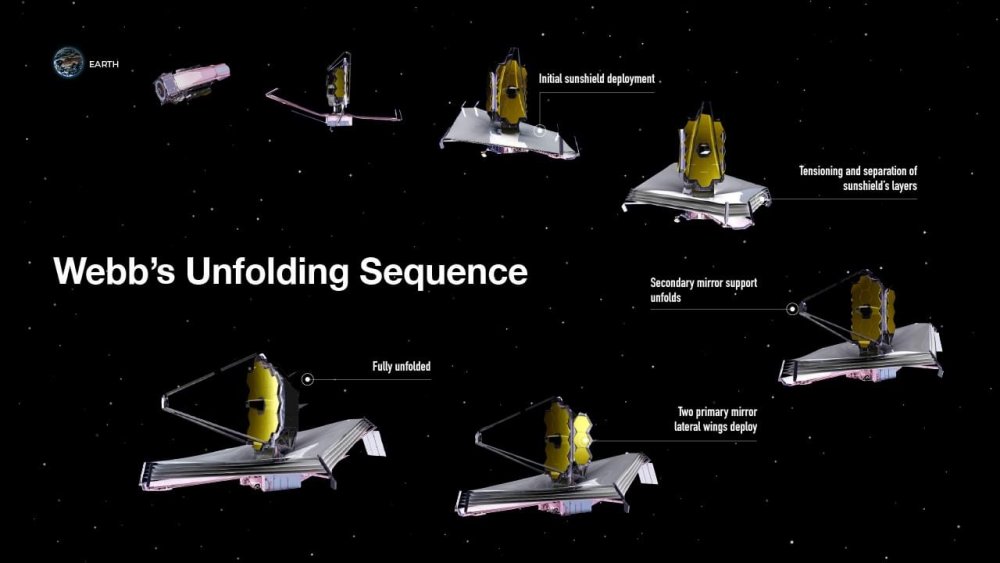
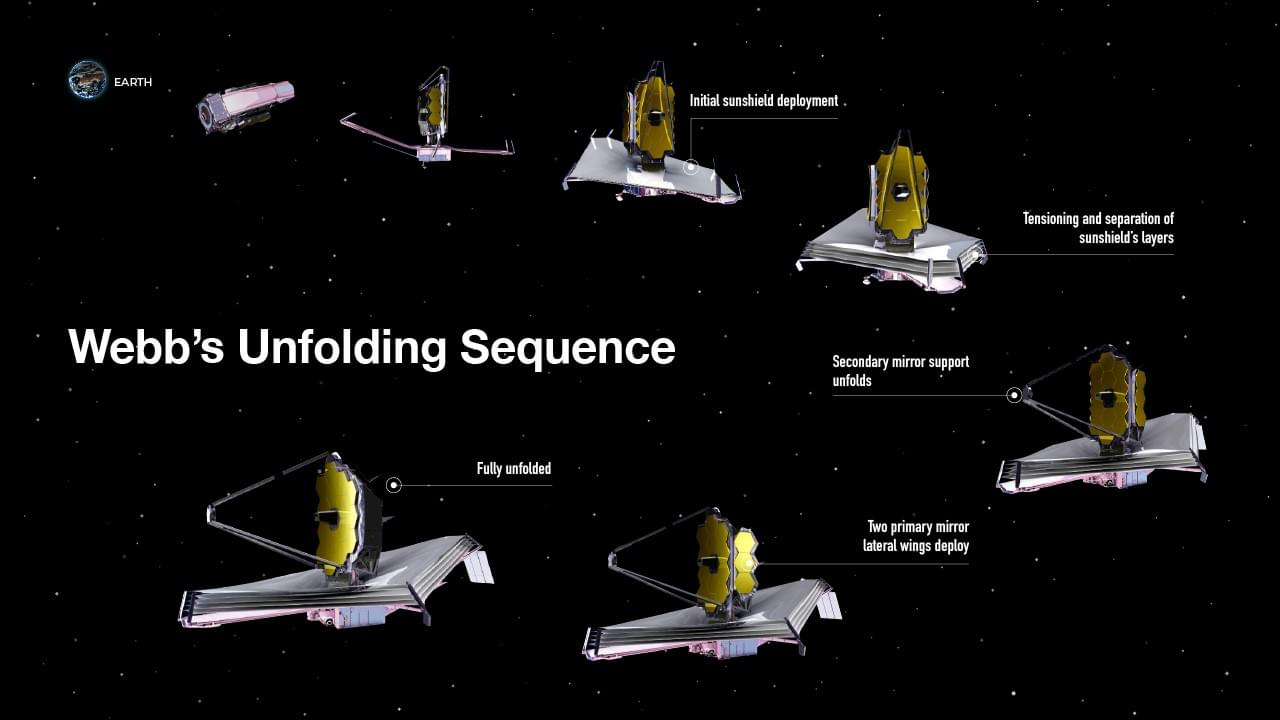
Ring the bells that still can ring Forget your perfect offering There is a crack in everything That’s how the light gets inNot everyone is paying attention to reality. While it offers some comic relief for those who are, perhaps in parallel it loops into the fold those who were previously oblivious, intentionally or otherwise. It’s an overly optimistic and hopeful stretch, I know, but maybe a few people will watch and be like, “hmm… hadn’t really thought of it that way before, but this is sort of what’s been happening all around me IRL.” In the end, it’s just a movie, a dark comedy. It’s a way to pass 2 hours and take your mind off your troubles for a little bit.It’s happening for real right now with the response to the pandemic, at least in the USTime of life estimates have actually been revised significantly upward because it was so successful/efficient during the stage they just completed, so bravo to the team! This was posted to their social media pages 2 days ago:Told ya. Broken botWTF? And why is this in earth science? This bot is broken.The mental health benefits of vaccines: We estimate that COVID-19 vaccination reduces anxiety and depression symptoms by nearly 30%. Nearly all the benefits are private benefits, and we find little evidence of spillover effects, that is, increases in community vaccination rates are not associated with improved anxiety or depression symptoms among the unvaccinated. We find that COVID-19 vaccination is associated with larger reductions in anxiety or depression symptoms among individuals with lower education levels, who rent their housing, who are not able to telework, and who have children in their household. The economic benefit of reductions in anxiety and depression are approximately $350 billion. Our results highlight an important, but understudied, secondary benefit of COVID-19 vaccinations. SourceFrom the JWST FB page 7 hours ago: Here's everything that has taken place since our sunshield pallets successfully opened up on Dec. 28: 1. Yesterday, our team confirmed that we successfully extended our Deployable Tower Assembly (DTA), which creates space between Webb's upper and lower halves. This helps keep the telescope cold and makes room for our upcoming sunshield deployments. 2. This morning, we completed the deployment of our aft (back) momentum flap, which helps balance pressure from solar radiation on Webb's sunshield, much like a trim tab helps stabilize a boat or plane! 3. Our sunshield covers protected the sunshield while it was folded for launch. Today those covers were removed to prep for unfolding the sunshield. Keep up to date through our blog: blogs.nasa.gov/webb Or track Webb's journey here: webb.nasa.gov/whereiswebb
 Like this on iOS:
 Works for me. And in the spirit of continuous improvement, note that we likely already would have moved on had you not replied to my entirely fair and valid point in this way: Nothing about my actual point was either specious or nonsensical. CheersYes, we completely agree. What you bolded was a quote from ME asking how something was relevant to MY request for confirmation of the premise. Unsure why your response to this was that YOU never said this. Nobody suggested you had. Once again, we’re in violent agreement here. My position was directed toward the OP who suggested an overall trend of increased size over time. As that’s NOT your position, my feedback doesn’t apply to you. And I’d like to see data confirming you’re not merely suffering from a confirmation bias here before we go searching for reasons to explain the proposed size increase. Waxing philosophical about anecdotes doesn’t achieve that. It’d be okay, but entirely irrelevant.Please elaborate. What didn’t you say? You seem to be pushing back on me for misrepresenting your view. Unsure where you think I’ve done that. I acknowledged this and even confirmed our agreement. I then asked why you find this relevant to my questioning of the premise in the OP. You have yet to reply to this clear and direct question.Right. That’s all well and good. Hard to disagree with any of that and we’re aligned. Do me this favor, though: Kindly please explain how any of that is even remotely relevant to me asking for confirmation that textbook sizes truly have increased over the years and decades… and pushing for this premise to be confirmed before seeking explanations from us about why they did. Go ahead. I’ll wait… and just so we’re clear, inspired comments about anecdotes aiding in scientific progress throughout history won’t suffice, regardless of how many you introduce.
Important Information
We have placed cookies on your device to help make this website better. You can adjust your cookie settings, otherwise we'll assume you're okay to continue.