Skip to content

Externet

Senior Members
  • Joined

  • Last visited

Everything posted by Externet

  1. It is a video. For the question in the thread title. Feel free to delete, ignore or not. ---> https://www.facebook.com/share/v/1APHZe2vcw/
  2. Related to your comment, hope attaches. If not, will post its 6 pages. oppenheimer_einstein.pdfoppenheimer_einstein.pdf Seems it refuses to paste. Changed to a link ---> http://www.wolfbane.com/articles/OE.pdf
  3. The fuzzy grainy and redacted contents is what qualifies the disclosure as for unidentified to keep you scratching heads in the dark. The absent files that you 'want to know' are the hidden, and not a qualified 'need to know'. When hidden identified files become released, then you may be pleased. If ever happens. 😒 Transparency is about the unidentified and unresolved, not about the hidden for decades.

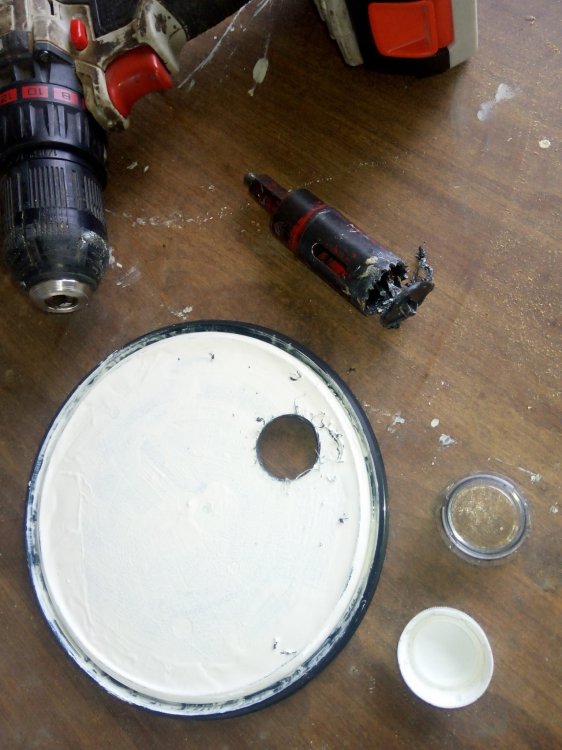
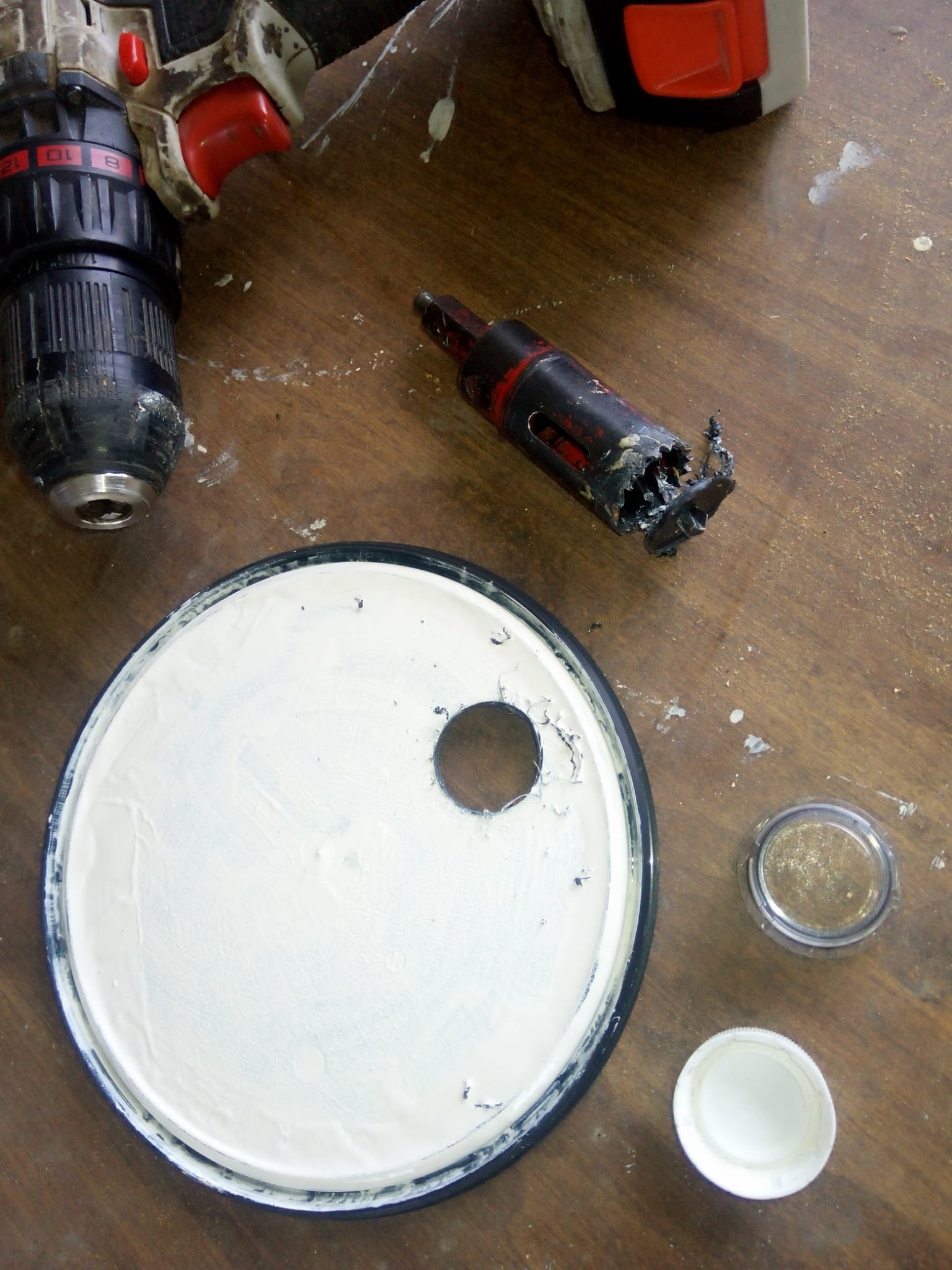
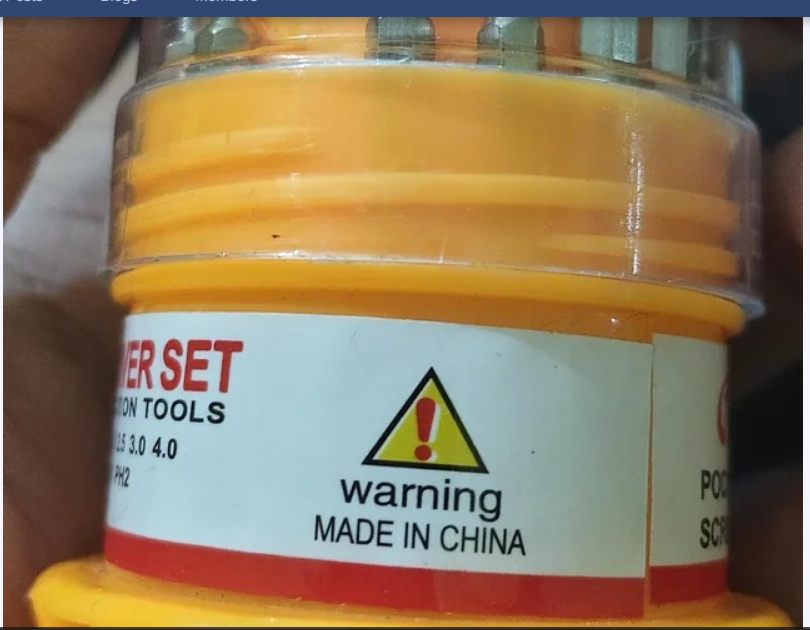
  4. There is two fittings in the image, a bright and a black. Do you know if these are check valves or something else ? Both have lead bead tamper-proof seal setting to a slotted flat screw 'calibrator'at one end.
  5. As wished, ---> https://www.war.gov/UFO/
  6. A third batch about unidentified videos, images, documents, things released today 12June2026 by the war department. Remember the word unidentified. The identified are not revealed. 🤔
  7. Yes, the 3 substances were mentioned, but do not want to swallow the whole video again to remember their names. I have interest for a friend with COPD. --> https://factually.co/fact-checks/health/laura-elon-copd-video-9a45c9 --> https://www.facebook.com/61550982603236/videos/4162950247254929/
  8. Good day. Somehow intruded in my phone an almost endless video promoting to fast cure, -not relieve- pulmonary diseases, with a product 'Gluco health' at $39 and of limited availability. Good part of the video emphasizing the pharma profiting by not curing anyone by keeping the current medications that make them billions. If the name and price am telling above after swallowing a long time watching the video is deleted from this post, I have no inconvenient, am not advertising it. Anyone knows about this space age fix formula ? He mentioned three compounds in it to achieve the cure. Sounds like the 'beets based' and the 'NewZealand green mussels' business models. Edit... another artificial imbecility scam ?
  9. As tables show water is the best heat soaking option; last two winters I put a 5 gallon cooking pot with water on a single 'hot plate burner' inside the house, powered by 1200Watt / 120VDC spare extra solar panels. By noon was typically boiling, and kept its heat until ~10pm. helping heating the dwelling at no cost to me. Next winter would like the plan of a container with a heating element buried in ~40Kg? sand instead. Heats up when sunny, releases when when not. The heat soaking is less than water but the temperature can be higher and no boiling. What else should I consider ? Or heating a junk engine block instead of sand ? I can be your guinea kid, no problem.
  10. Hi. In need of suggestions how to do this I have never done before: Mover crews do not do it. Do not know if asking UPS to pickup works if needs being better packed. Unsure if an Uber driver would. Need to pickup an item or two at a warehouse that does NO shipping, and send it via UPS/Fedex/USPS to KY. If carton is flimsy, to secure it with duct tape or properly. and take it to a shipper. Or do you know the way it is supposed to be done, or a person in New Orleans that does the service ? Paid, of course. Tried the UPS store, they do not pickup. Tried Taskrabbit and found the nastiest automated non-human computer-only interface that does not want to interact with an old fart, and no phone.☹️ Edited: Just tried Uber-courier. Full computer interaction, they are assumming things and asking guesses from me. Zero humans.☹️ Thanks.
  11. Ask the military, not me. (This is not the "popular" Roswell)
  12. Took pictures of a couple of pages from a document... Sorry, somehow one is 90 degrees
  13. Thanks, gentlemen. How if a lactic acid buildup or a tear is determined ?
  14. Hello all. What happens to a muscle when excessive forces are exerted, as in pulling, forcing, pushing; perhaps in a unusual position or to little developed or used muscles ? Is there some minor tearing or ligaments detaching that takes several painful days to slowly heal ?
  15. Hi. Is there an instrument gadget that monitors/tells if a person is dehydrated ?
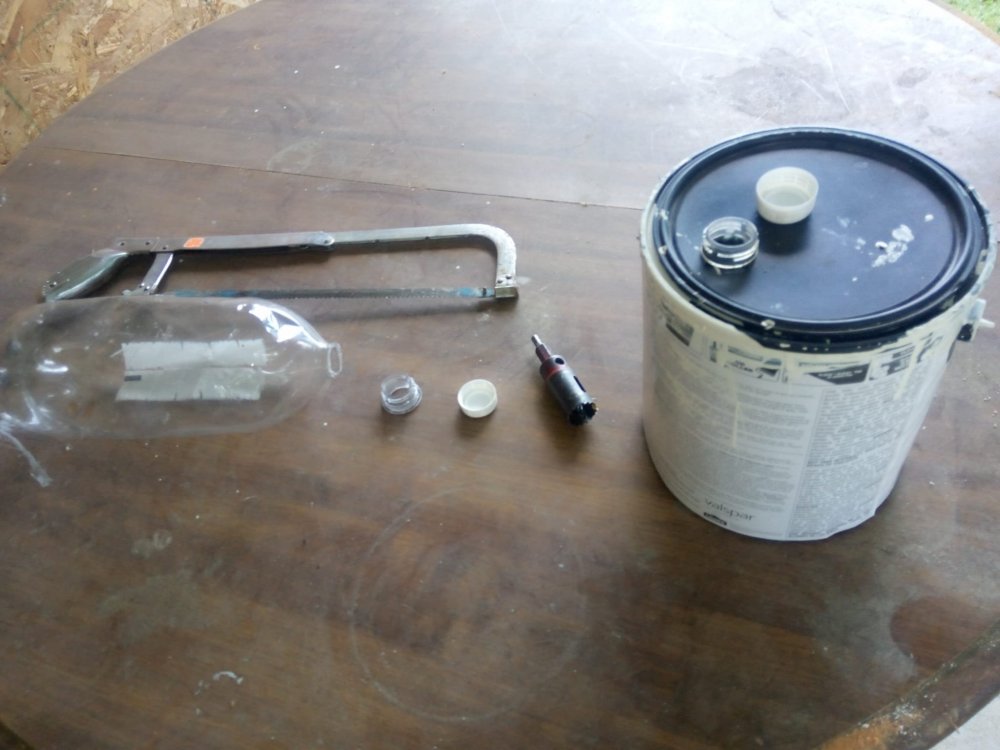
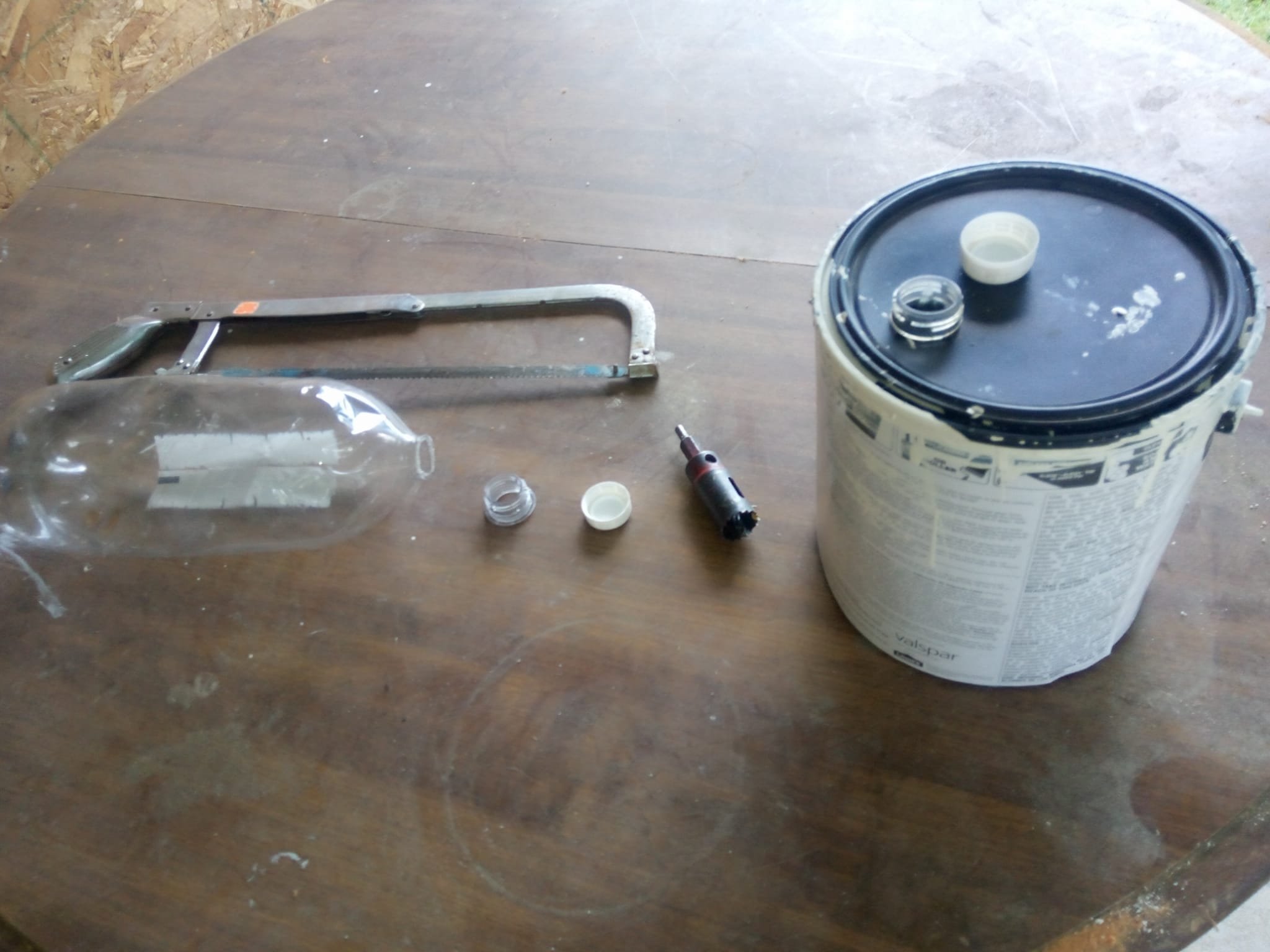
  16. Hello all. A large 'drinking water' bottle ~20 litres with air; plugged with a hose trough it and two 3mm opposed valves (one intaking / one exhausting) The intention is to pull water from a lower rain cistern during the nights temperature that creates suction; and expelling water during the daytime heat of sun expansion. For drip irrigation purpose. The bottle hung on a wall, covered with black plastic until soon painted black. The inlet and the outlet valves seen at each side of the 'T' Weather has not collaborated lately with wide daily fluctuations. 2 metres lift is the goal without using solar-electric pump. Another similar using a half-filled 2 litre bottle is working : pushes its water dripping to the plant when air inside expands heated by sun. Sucks replenishing air when gets colder. also to be painted black. Seems very scalable. Comments and improvements are welcome.
  17. Greetings. How would you build a lightly ballasted hollow vented ball, cylinder, any shaped contraption... that when tossed to a -say pool- it begins filling with the water and the air bubbles escaping at somewhere, somehow provide horizontal propulsion while sinking ? Any brilliant occurrence comes to your mind ? 🤔
  18. Good day. Since day one, I learned this was named gimbal : file:///home/externet/Pictures/Gimbal.png Unable to insert image 😡, can be seen at --> https://lanternnet.com/product/wp-solid-brass-gimbal-for-large-yacht-lamp/ Trying to look for a manufacturer/vendor, only get crap results for cameras. Any special term I should use instead in a search ? Do you know a provider for large ~30cm ones? Has its name changed ? Plastic would be fine.
  19. Hi. When did names customarily started as we know ? Judas Iscariot, Pontius Pilatus, Caesar Augustus, Simon Peter, Mary Magdalene, James Zebedee, James Alphaeus... what about the disciples Matthew, Thomas, Bartholomew, Philip, John, Tadeus, even Jesus... is there any 'extensions' known to these latter and others ? Is there a time where formal in names was implemented or mandated or it has been well before 2000 years ?
  20. Hi all. Most chemical/physical industrial processes end dumping wastes/ores that have no applications. Besides the gases burned in refinery stacks, what hydrocarbons do petrochemicals yield and how are they disposed of ? Beyond lazy humans disposing plastics into oceans and everywhere else ☹️...
  21. Thank you. Can an instruction "do not insert new words altering the original text" be added to the instruction for A.I. to "retype the document" ? No problem with some manual intervention, but on a 45 pages .pdf document, the bulk of it better if gets done by machine. What example would a proper instruction to A.I. be composed ?
  22. Greetings. A poor photocopy of photocopies with degraded readability; can A.I. in some sort of optical character recognition renew/retype text to a very readable condition ? What would be the "instruction/request/text" to ask A.I. to perform such on a image with text, or; giving A.I. a .pdf document ? Would it be something like "retype/reconstruct this document" attached ? (xxxxxxx.pdf) Example with NO interest in the context but on its reconstruction and readability: ---> Can anyone teach me how to do it ?
  23. Greetings. Learned something today, as how was determined. Came to this article recently. It is not news to be posted in 'Science news' ; decided to post here unless deserves moving somewhere else. ========================================================================================================================= Clair Patterson He discovered how old the Earth was. Then he discovered something that could destroy us all. For thousands of years, humanity wondered about the age of our planet. Religious texts offered one answer. Philosophers debated another. Scientists made educated guesses based on fossils and rock layers. But nobody actually knew. Until a quiet scientist named Clair Patterson figured it out in 1953. He should have become instantly famous. His name should have appeared in every textbook. Instead, what he discovered next turned him into a target. He found himself standing alone against one of the most powerful industries on Earth, fighting a battle that would determine whether millions of children would grow up with damaged minds. And for decades, almost nobody knew his name. Patterson's journey began in the late 1940s at the University of Chicago. He was a young geochemist with an impossible assignment: measure the precise amount of lead isotopes in a meteorite fragment called Canyon Diablo. The theory was elegant—if he could measure these specific lead ratios accurately, he could calculate when the solar system formed, and therefore, when Earth was born. But there was a problem that nearly broke him. Every time he tried to measure the lead in his samples, the numbers were wildly inconsistent. One day high, the next day higher, never stable. His equipment seemed fine. His calculations were correct. Yet the data was chaos. Most scientists would have given up or blamed the methodology. Patterson was different. He possessed an almost obsessive attention to detail and patience that bordered on stubborn madness. One day, he realized something shocking: the problem wasn't his rock sample. The problem was everything else. There was lead everywhere. On the lab benches. In the air. Tracking in on people's shoes. Floating as invisible dust particles. The entire world was contaminated, and it was sabotaging his measurements. So Patterson did something unprecedented. He built the world's first ultra-clean laboratory. He scrubbed every surface until his hands bled. He sealed cracks in walls with tape. He installed specialized air filters. He made his assistants wear protective suits and wash repeatedly before entering. For years, he cleaned and refined and eliminated every possible source of contamination. Finally, in 1953, he achieved it. He got a clean reading. He ran the numbers through a mass spectrometer, performed the calculations, and suddenly held an answer that no human in history had ever known: 4.55 billion years. The Earth was 4.55 billion years old. It's said that in his excitement, he drove straight to his mother's house in Iowa and told her he'd solved one of humanity's oldest mysteries. The weight of not knowing had finally lifted. But while building his clean room, Patterson had stumbled onto something far more disturbing. Where was all this lead coming from? Lead is naturally rare on Earth's surface. It stays locked deep underground in mineral deposits. It doesn't float freely in the air. It doesn't coat laboratory tables. Yet it was everywhere—in quantities that made no sense. Patterson began testing the world outside his lab. Ocean water. Mountain snow. Everywhere he looked, lead levels were hundreds of times higher than natural background levels. And then he understood. Since the 1920s, oil companies had been adding a compound called tetraethyl lead to gasoline. It prevented engine knock and made cars run smoother. But every car on every road was functioning as a poison dispersal system, spraying microscopic lead particles into the air with every mile driven. Lead is a neurotoxin. It damages developing brains. It lowers IQ. It causes behavioral problems, aggression, and cognitive impairment. And an entire generation of children was breathing it every single day. Patterson had to make a choice. He was a geochemist. His job was studying rocks and isotopes, not fighting corporations or advocating for public health. He had stable funding and a promising academic career. He could have simply published his Earth-age discovery and moved on to the next project. But he couldn't unsee what he'd found. In the mid-1960s, he published papers warning that industrial lead contamination was poisoning the environment and harming human health. The response was swift and brutal. The lead industry was massive, wealthy, and had no intention of losing billions in revenue. Their chief scientific defender was Dr. Robert Kehoe, who had spent decades assuring the public that environmental lead was natural and harmless. Kehoe was polished, well-funded, and had the backing of powerful corporations. When Patterson challenged this narrative, the industry attempted to buy his silence. Representatives visited him offering generous research grants and institutional support. All he had to do was redirect his focus elsewhere. Patterson refused. So they tried to destroy him professionally. His funding from petroleum-connected sources was immediately cut. The industry pressured his university to dismiss him. They used their influence to block his papers from peer-reviewed journals. They publicly dismissed him as an overzealous geologist stepping outside his expertise. For years, it worked. Patterson was marginalized, labeled an alarmist, and isolated from mainstream scientific discussions. But Patterson had something the industry couldn't counter: evidence from before the contamination began. He realized he needed a time machine—a way to prove what Earth's atmosphere was like before automobiles. So he traveled to one of the most remote places on the planet: Greenland. In brutal, freezing conditions, Patterson and his team drilled deep into ancient glaciers, extracting long cylinders of ice. These ice cores were frozen time capsules. Snow that fell in 1700 was preserved deep in the ice. Snow from 1900 was higher up. Snow from the 1950s was near the surface. Back in his clean lab, Patterson carefully melted layers of ice from different time periods and measured their lead content. The results were devastating to the industry's claims. For thousands of years, atmospheric lead levels were essentially zero. Then, starting precisely in the 1920s—exactly when leaded gasoline was introduced—the levels shot upward like a rocket. The graph was unmistakable. The contamination wasn't natural. It was recent, man-made, and accelerating. Armed with this irrefutable proof, Patterson returned to the fight. He testified before congressional committees, sitting across from industry lawyers who tried to confuse the science. He wasn't comfortable with public speaking. He was nervous, awkward, and preferred the quiet predictability of his laboratory. But he refused to back down. He told legislators they were poisoning their own children. He showed them the ice core data. He made the invisible visible. Slowly, reluctantly, the truth broke through. Other scientists began supporting his findings. Public health advocates took notice. Parents started demanding action. The tide turned. In the 1970s, the United States passed the Clean Air Act and began the slow process of removing lead from gasoline. It took years of regulatory battles, but eventually, unleaded gasoline became the standard. The results were nothing short of miraculous. Within years, blood lead levels in American children dropped by nearly 80%. An entire generation was saved from cognitive impairment, behavioral disorders, and reduced intelligence. Millions of lives were protected from lead-related health problems. Clair Patterson had won. Yet when he died in 1995, few outside the scientific community knew his name. He never received a Nobel Prize. He never became wealthy. He simply returned to his laboratory and continued studying the chemistry of the oceans and the history of the Earth. Patterson's story is a reminder of what integrity looks like when nobody's watching. It's easy to do the right thing when the crowd is cheering. It's infinitely harder when powerful interests are trying to ruin you, when your career is threatened, when taking the money would be so much easier. He could have stayed silent. He could have enjoyed a comfortable, well-funded career studying rocks while children's minds were damaged. He could have said, "Not my problem." But he looked at the data, looked at the world, and decided truth mattered more than comfort. He gave us the age of the Earth—a number that changed our understanding of time itself. And then he gave us a future—a world where children could grow up without poison in their lungs. We often imagine heroes as soldiers, activists, or celebrities. But sometimes a hero is just a stubborn man in a white lab coat, scrubbing a floor over and over, refusing to accept a convenient lie. He cleaned the room. And then he cleaned the world.

Important Information

We have placed cookies on your device to help make this website better. You can adjust your cookie settings, otherwise we'll assume you're okay to continue.

Account

Navigation

Search

Search

Configure browser push notifications

Chrome (Android)
  1. Tap the lock icon next to the address bar.
  2. Tap Permissions → Notifications.
  3. Adjust your preference.
Chrome (Desktop)
  1. Click the padlock icon in the address bar.
  2. Select Site settings.
  3. Find Notifications and adjust your preference.