DimaMazin
Senior Members
-
Joined
-
Last visited
Everything posted by DimaMazin
-
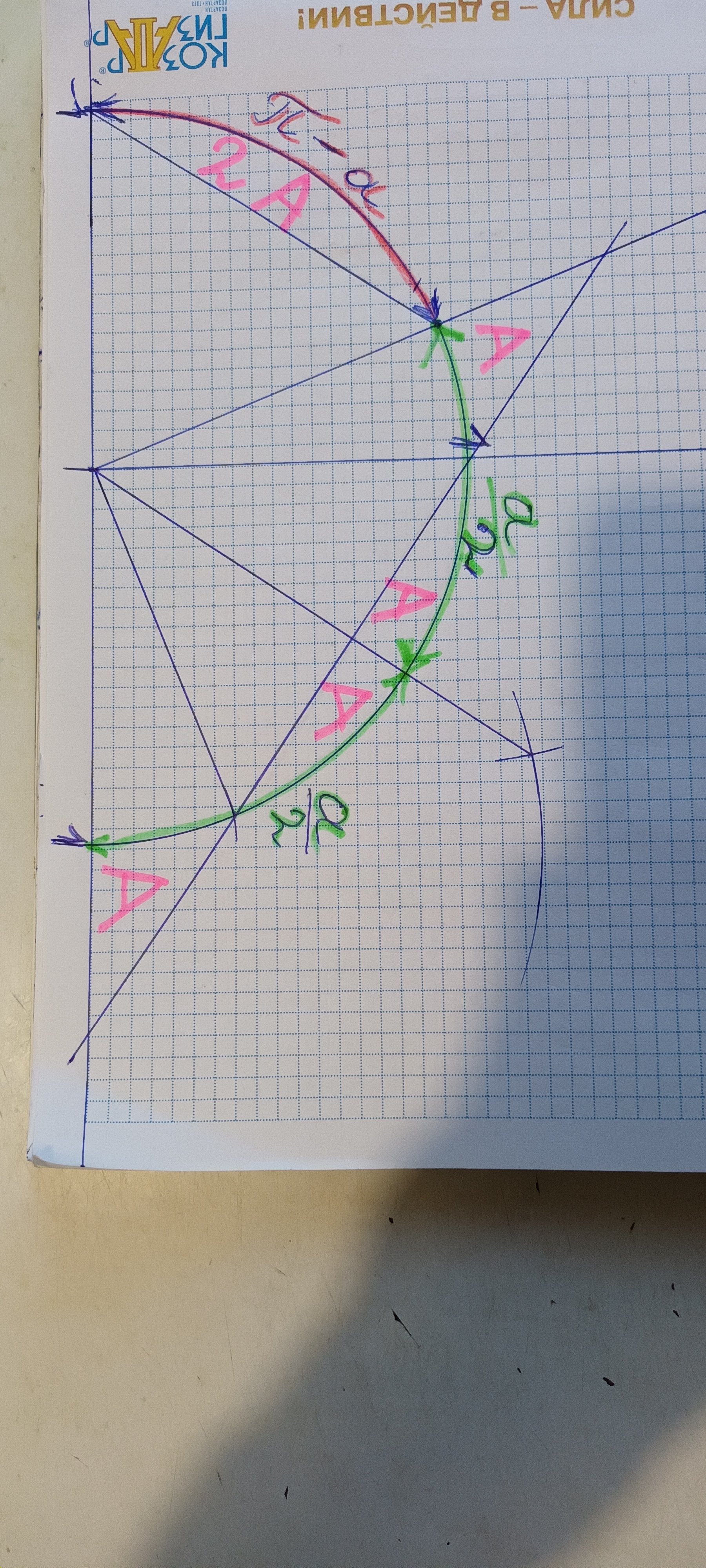
Let's consider key angle t t = p×sint/(p - 2) It derivates from angle p/2 (t - sint)/sint = sin(p/2)/(p/2 - sin(p/2)) If we get some equation then we can define pairs of angles: (a - sina)/sina = sinb/(b - sinb) (p - a - sina)/sina = sinc/(c - sinc) We should define some equation of asymmetry of angles b and c relative angle t .
-
ChatGPT approximately determined it a~1.921228408 rad
-
Maybe there is trigonometric clock wich can show a law. Because whithout new law we cannot define it.
-
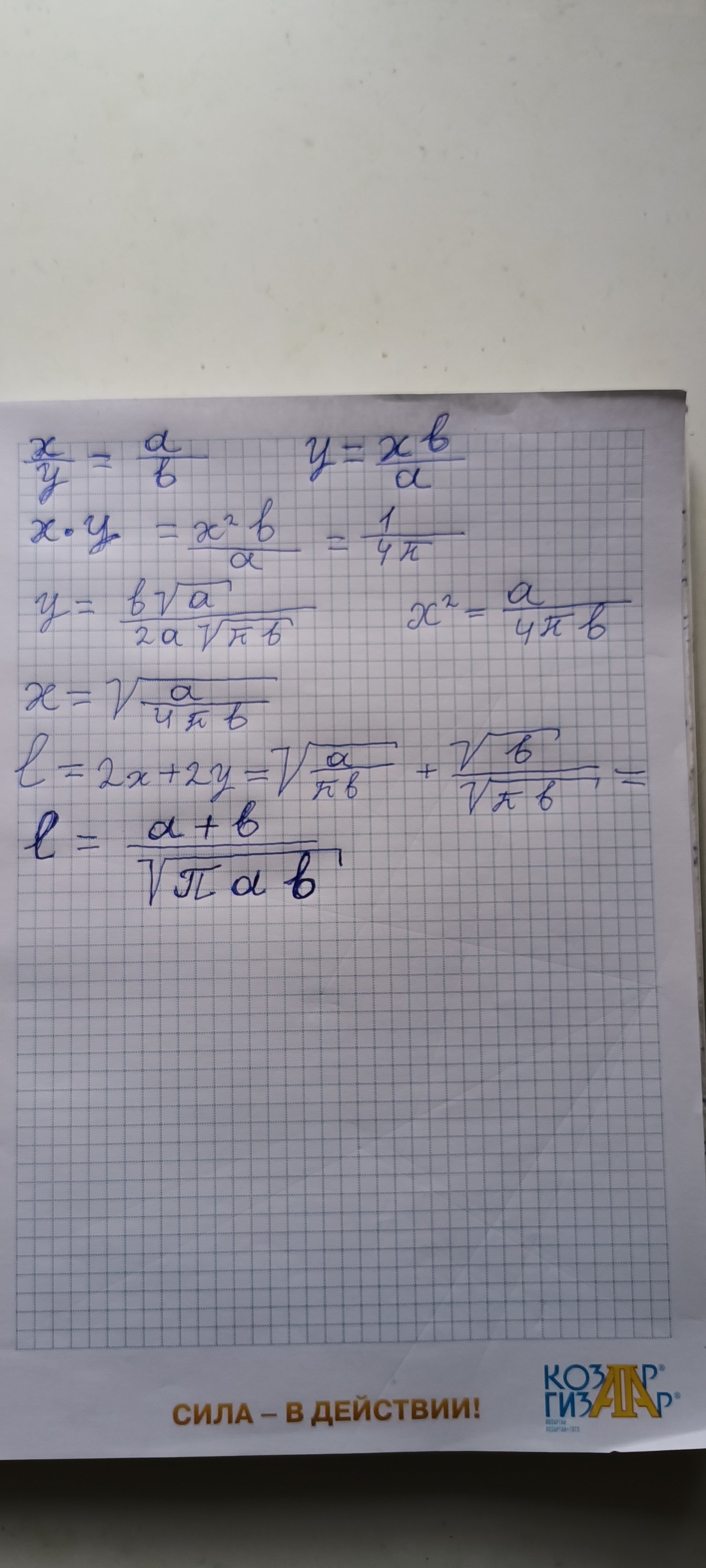
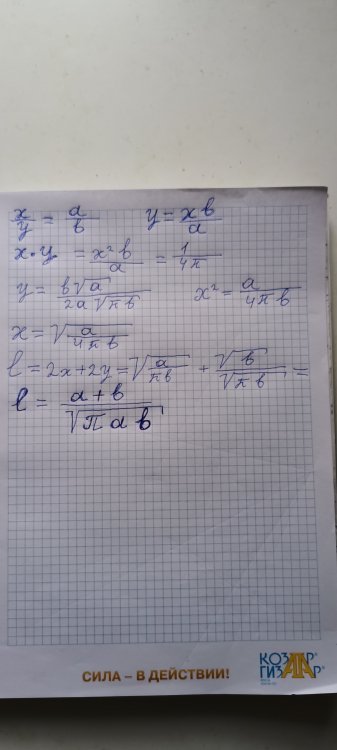
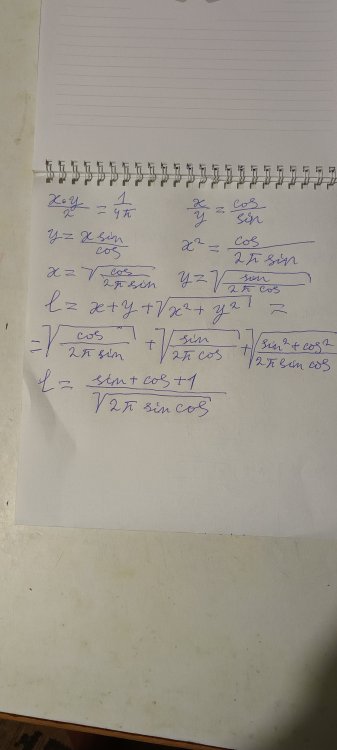
Let's define equation for definition of relative perimeter of rectangle with sides a and b .
-
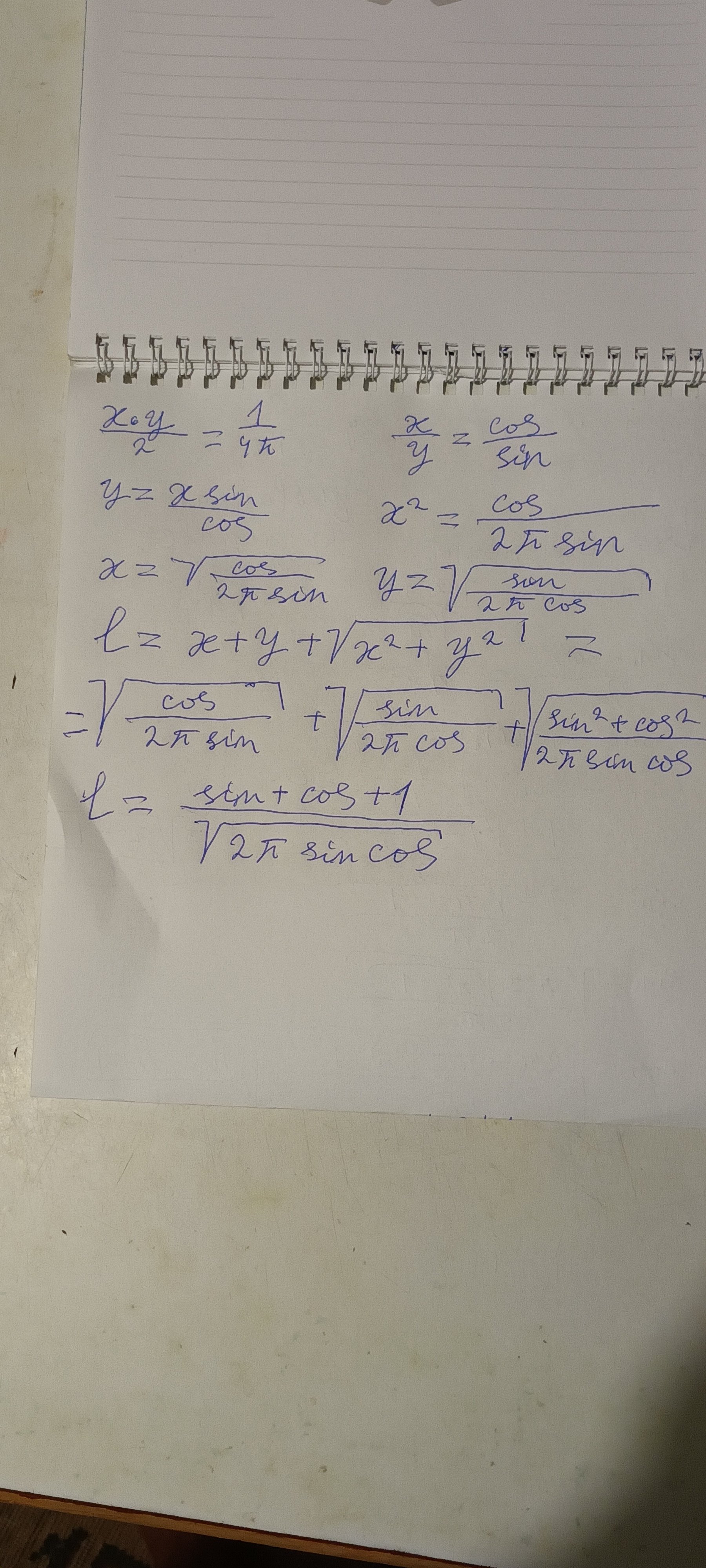
Let's define relative perimeter for any right triangle
-
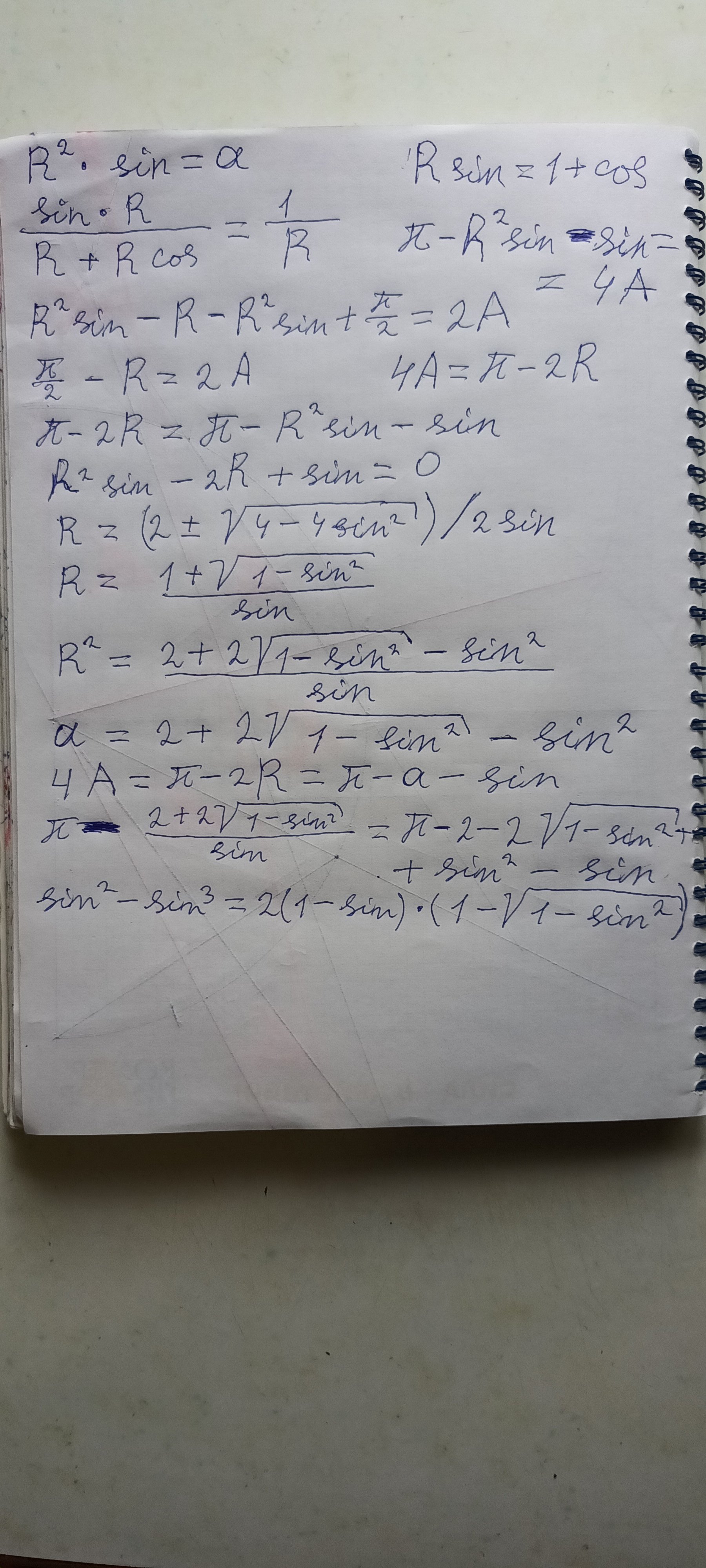
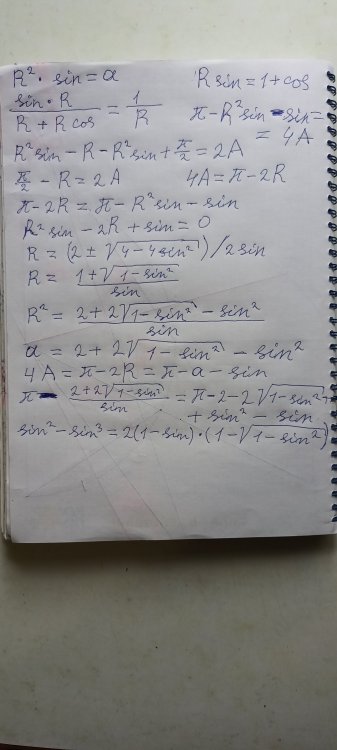
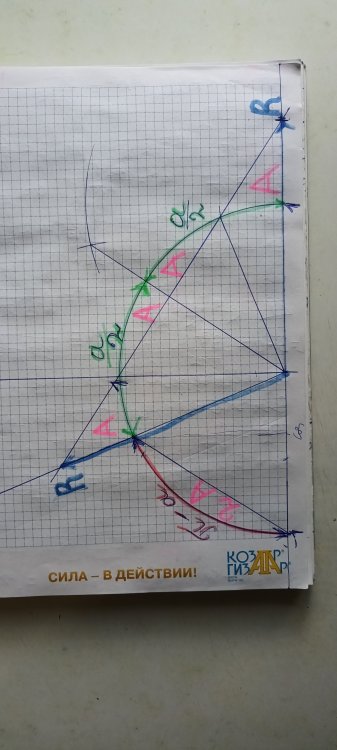
I confused +with - sin^2-sin^3=2(1-sin)(1+(1-sin^2)^1/2) sin=1 is wrong , maybe there is other meaning?
-
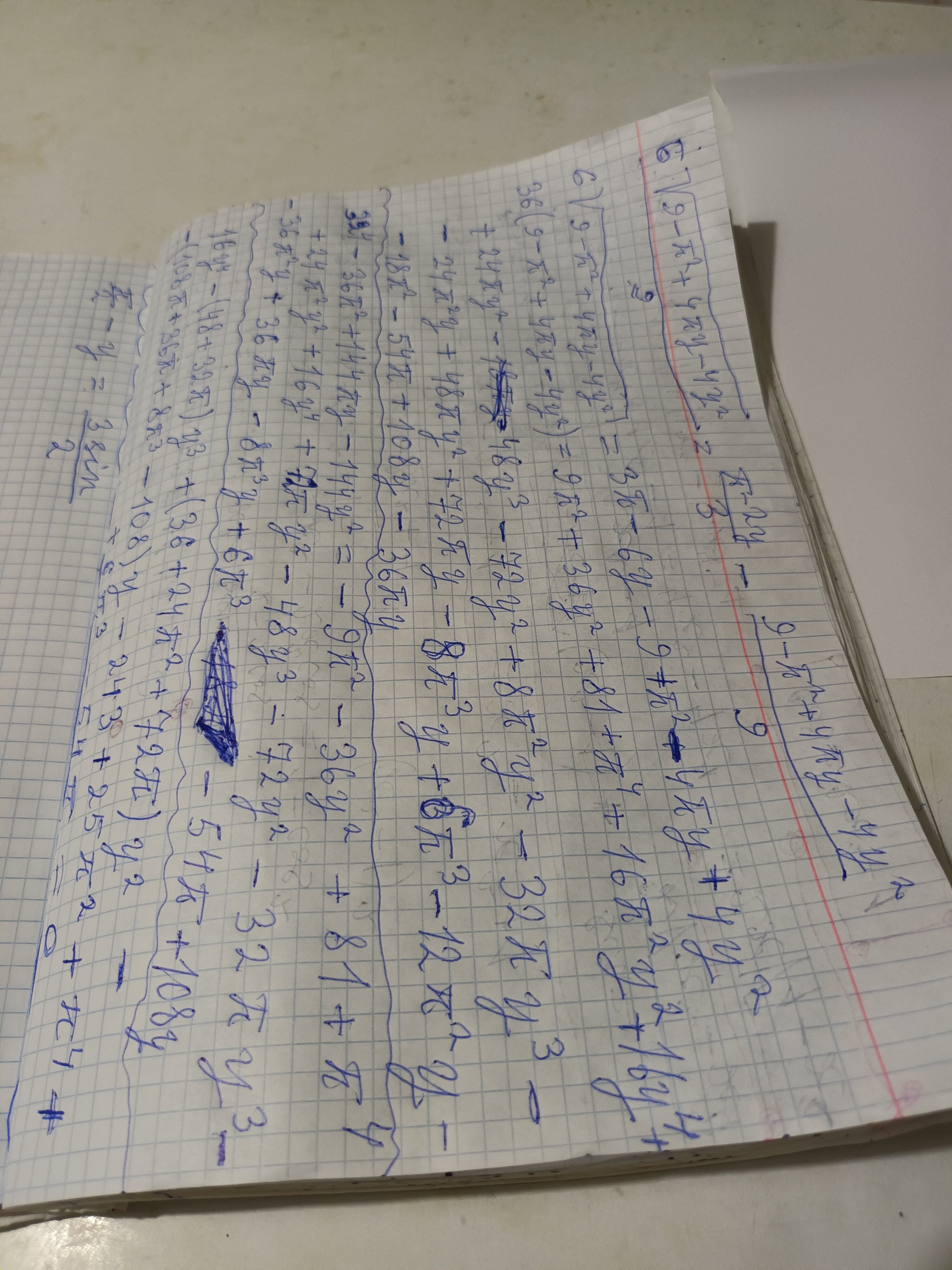
We can get equation for the solve, but I don't think we can solve it.
-
l is perimeter p is Pi a is side l_min=1=2pr r=1/(2p) standard area = pr^2 = 1/(4p) For square a^2=1/(4p) a=1/(2×p^1/2) then l=2/p^1/2 For equilateral triangle: l = (3^3/4)/(p^1/2) For isosceles right triangle: l = ((2^1/2)+1)/p^1/2 😛
-
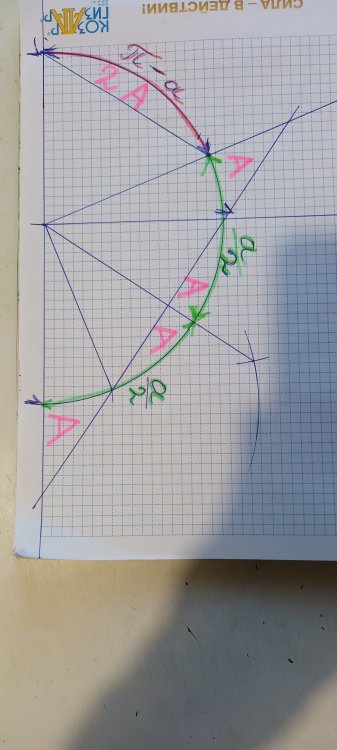
Could this exist?
-
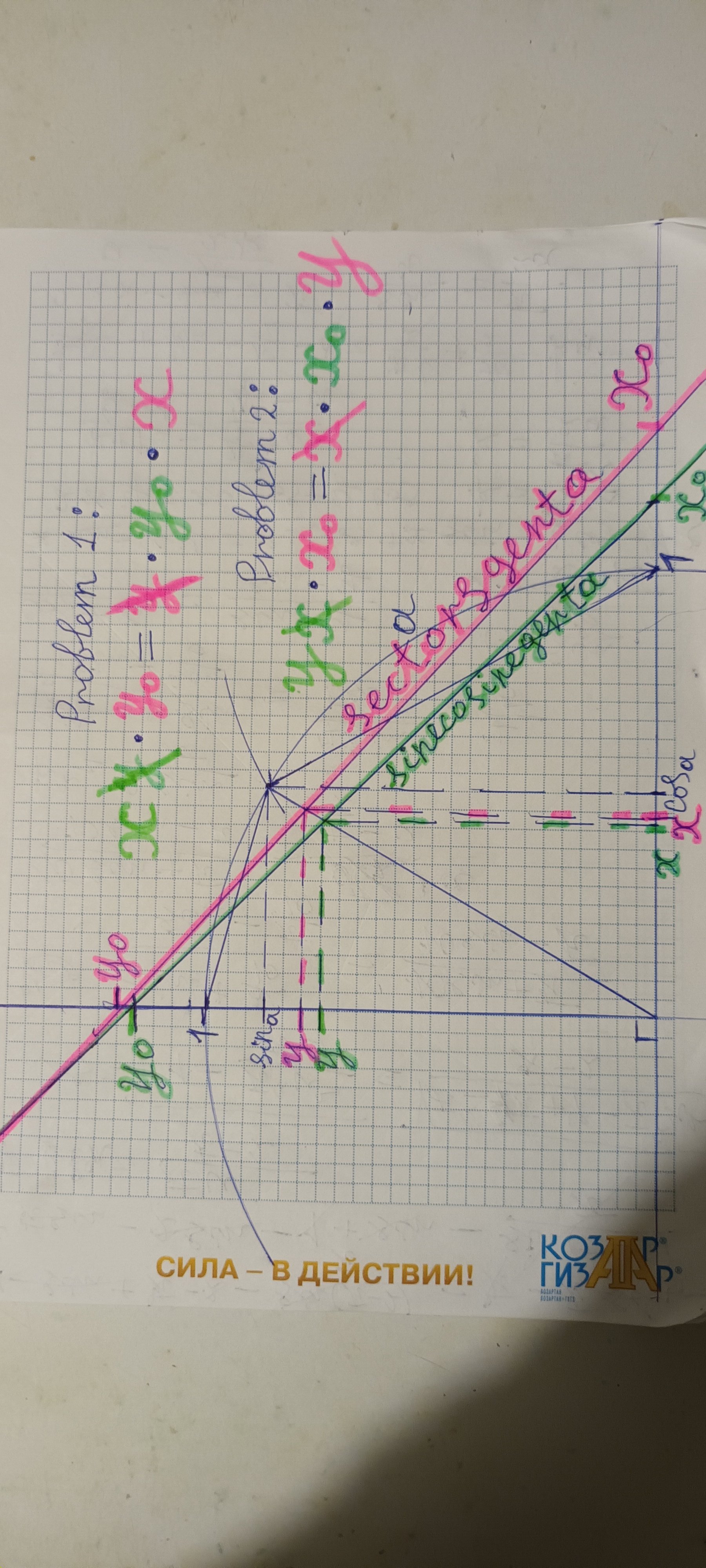
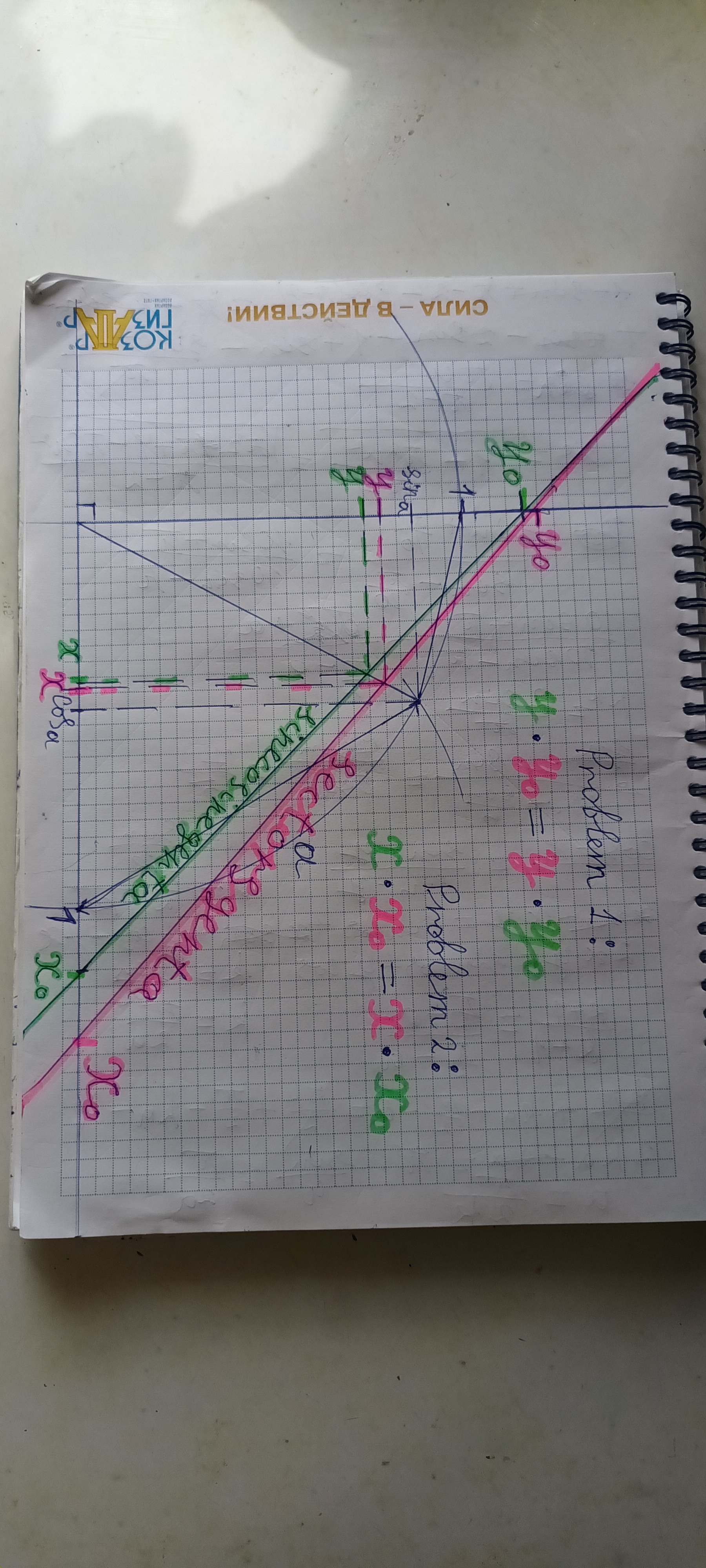
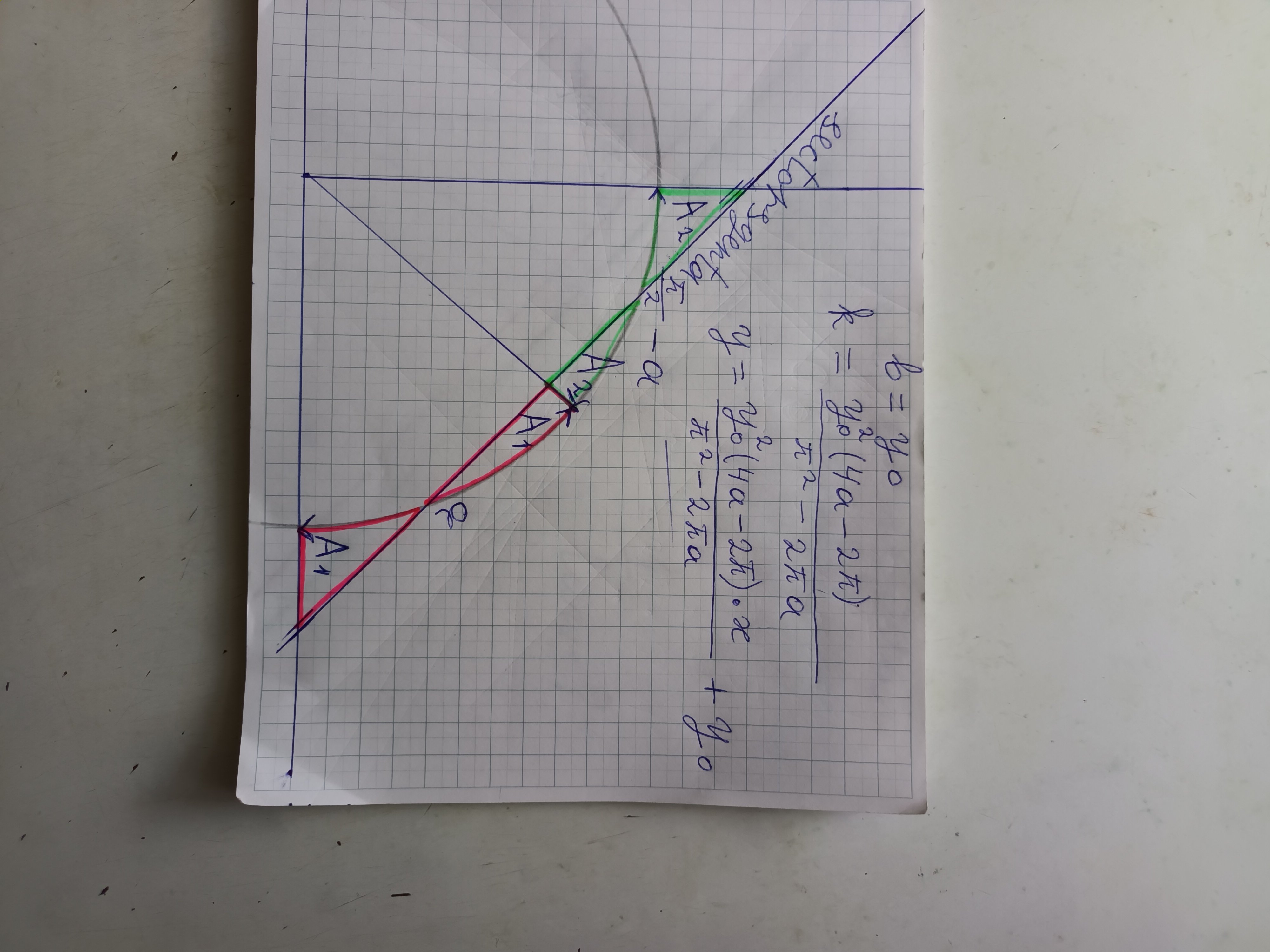
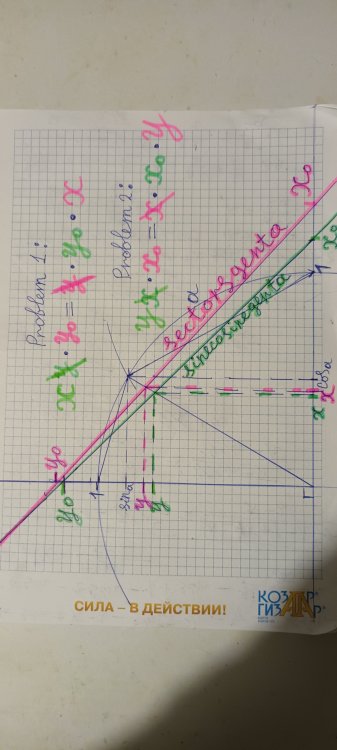
green x = cos/(sin+cos)^1/2 green y = sin/(sin +cos)^1/2 green x zero = green y zero= (sin+cos)^1/2 red x_0 =(p×a×cos/(p×sin-2a×sin))^1/2 red y_0 = (p×(p×sin-2a×sin)/(4a×cos))^1/2 red x = (a×cos×(p-2a)/(p×sin))^1/2 red y = (a×sin×(p-2a)/(p×cos))^1/2 And at last correct equation of sectorsgenta: y = - sin×(p-2a)×x/(2a×cos) + (p×sin×(p-2a)/(4a×cos))^1/2
-
I confused and seems have got equation of sectorsgenta: y = (- sin/(2a × cos)) × x + +P((a×sin×cos)^1/2)/(2a×cos)
-
I confused x and y
-
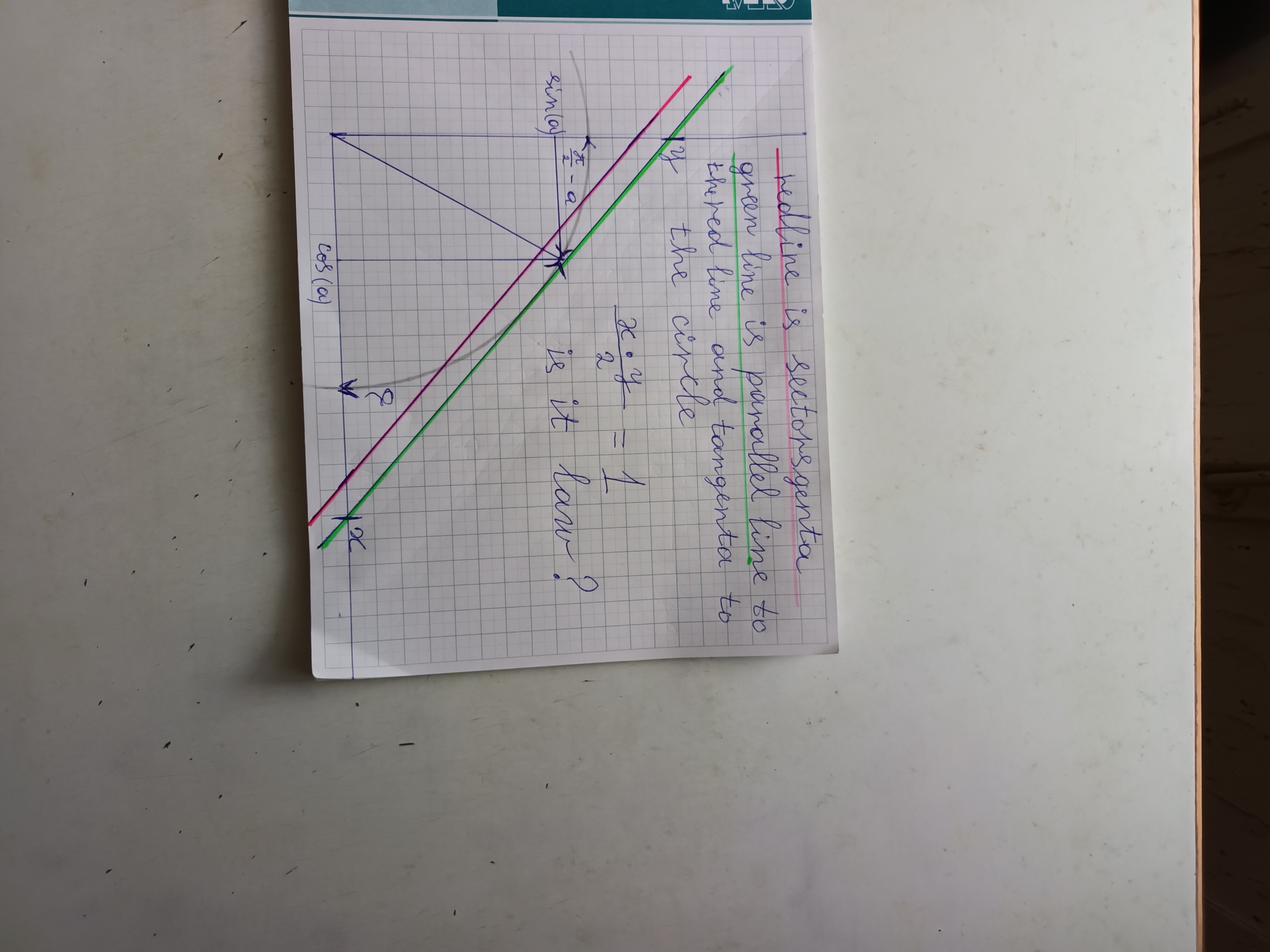
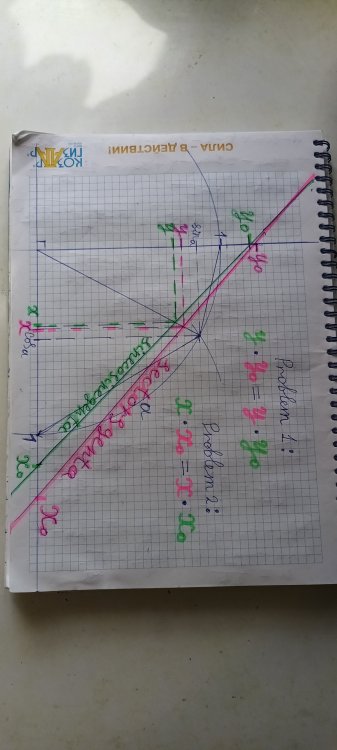
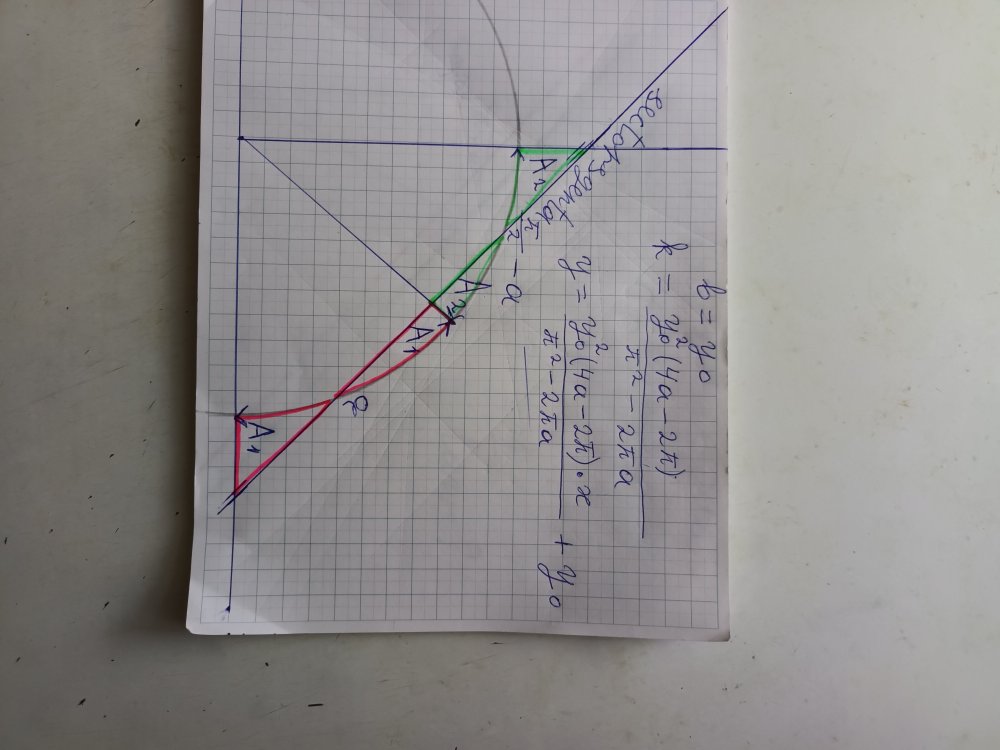
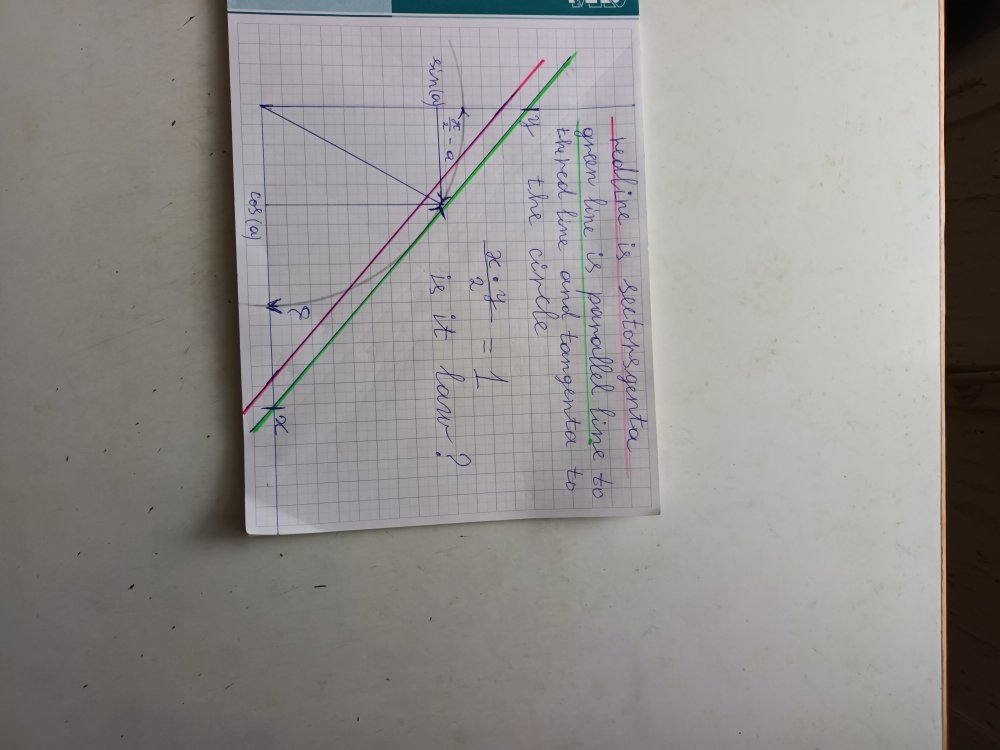
Pink straight line is sectorsgenta. Green straight line is sinecosinegenta. How to solve the problems?
-
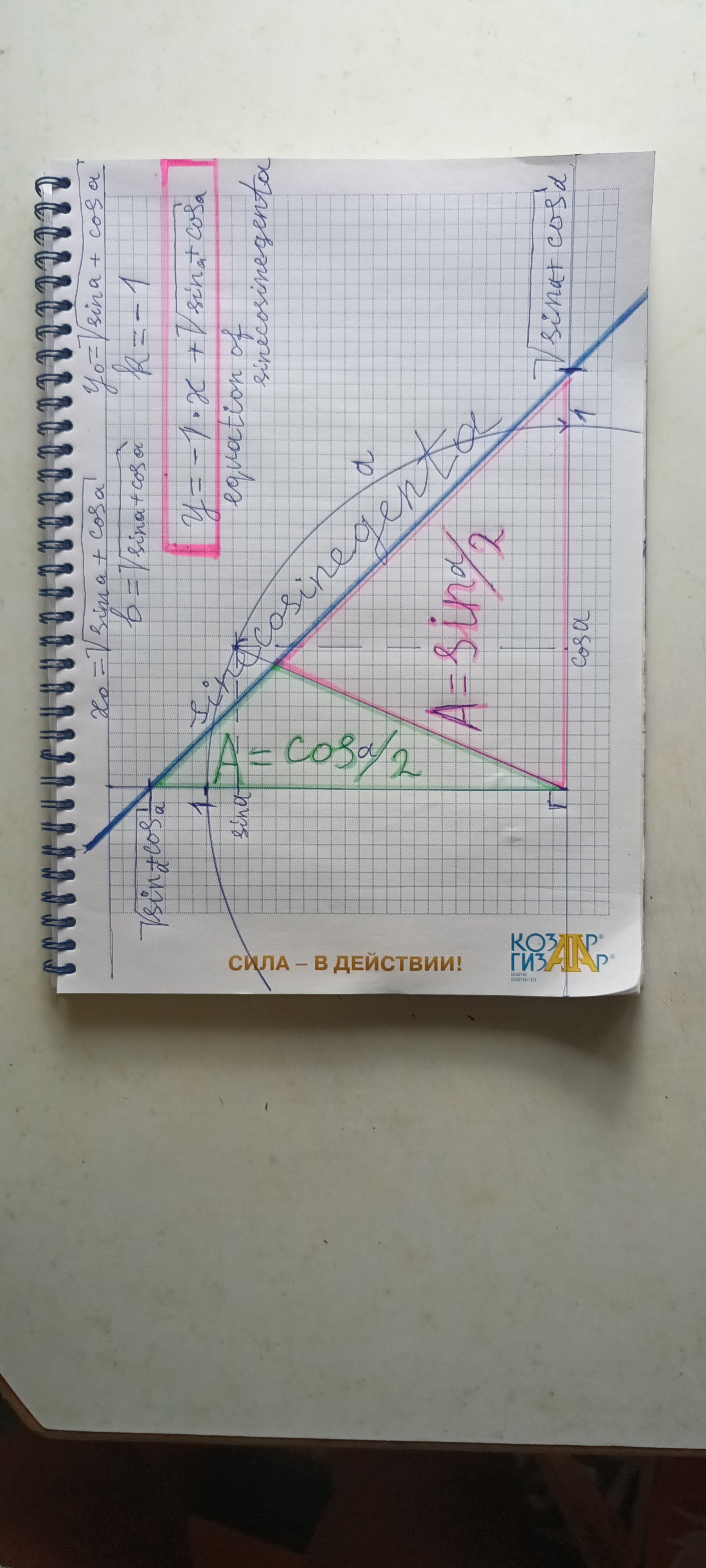
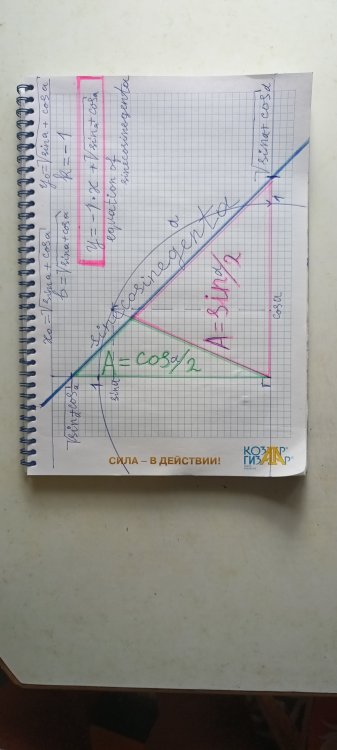
Englegenta and sectorsgenta are not parallel therefore englegenta is useless. Let's consider what is sinecosinegenta. Sinecosinegenta is straight line with equation: y = -1 × x + (sin + cos)^1/2
-
On calculator: (sin1rad - (sin1rad)^2)/e=0.0490742222 If it is 0.049074(2) then : sin1rad=(750+(562500 - 110417e)^1/2)/1500
-
Let's consider some angle a . cos a = (p^1/2+2×(5 - p)^1/2)/5 sin a = (5+3p - 4×(p(5 - p))^1/2)^1/2 / 5 On calculator : acos(p^1/2+2×(5 - p)^1/2) / 5 = 0.4515211111 Is it 0.45152(1) Then can it be 406369 / 900000 ?
-
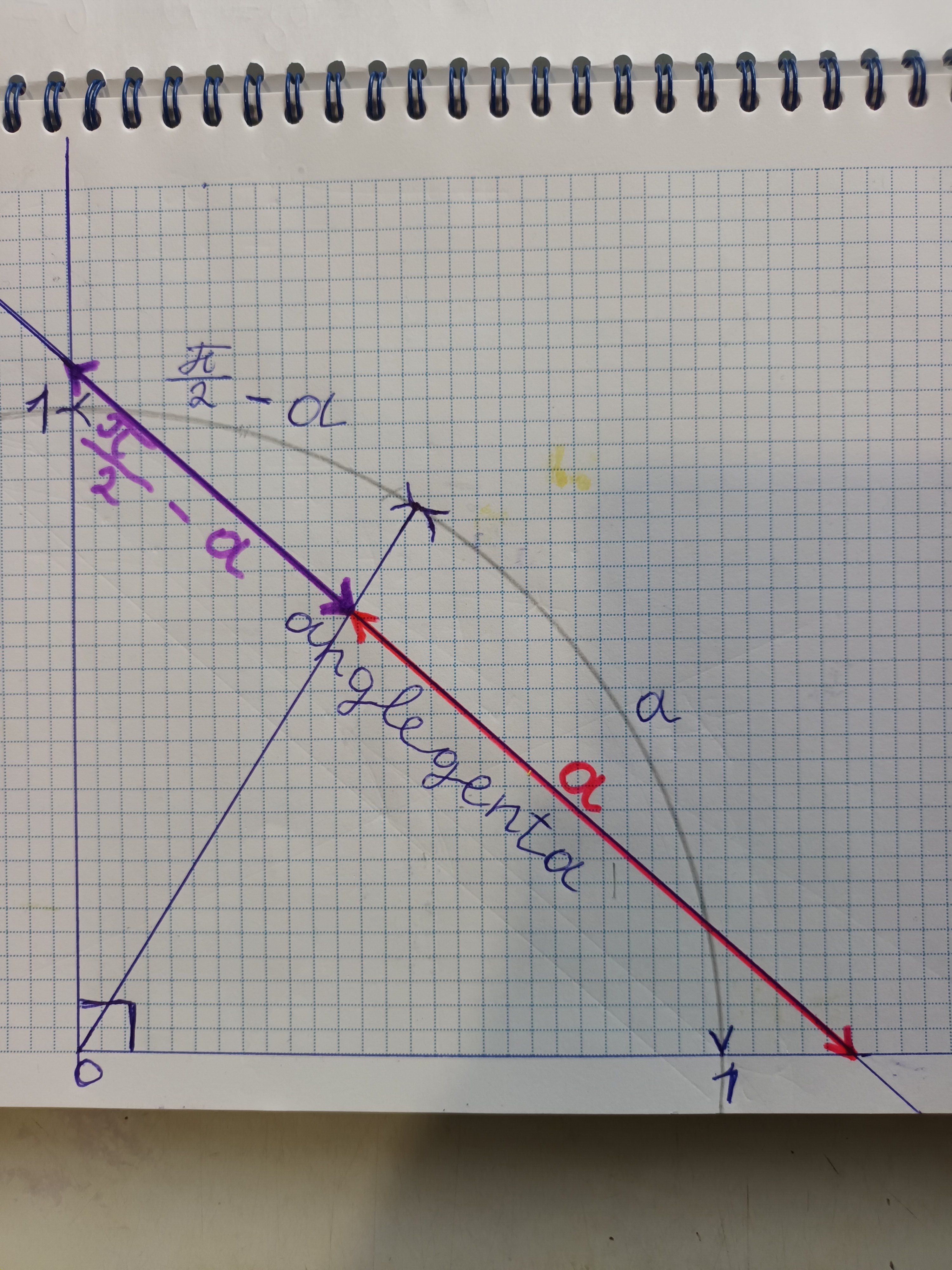
I think anglegenta and sectorsgenta are parallel always.
-
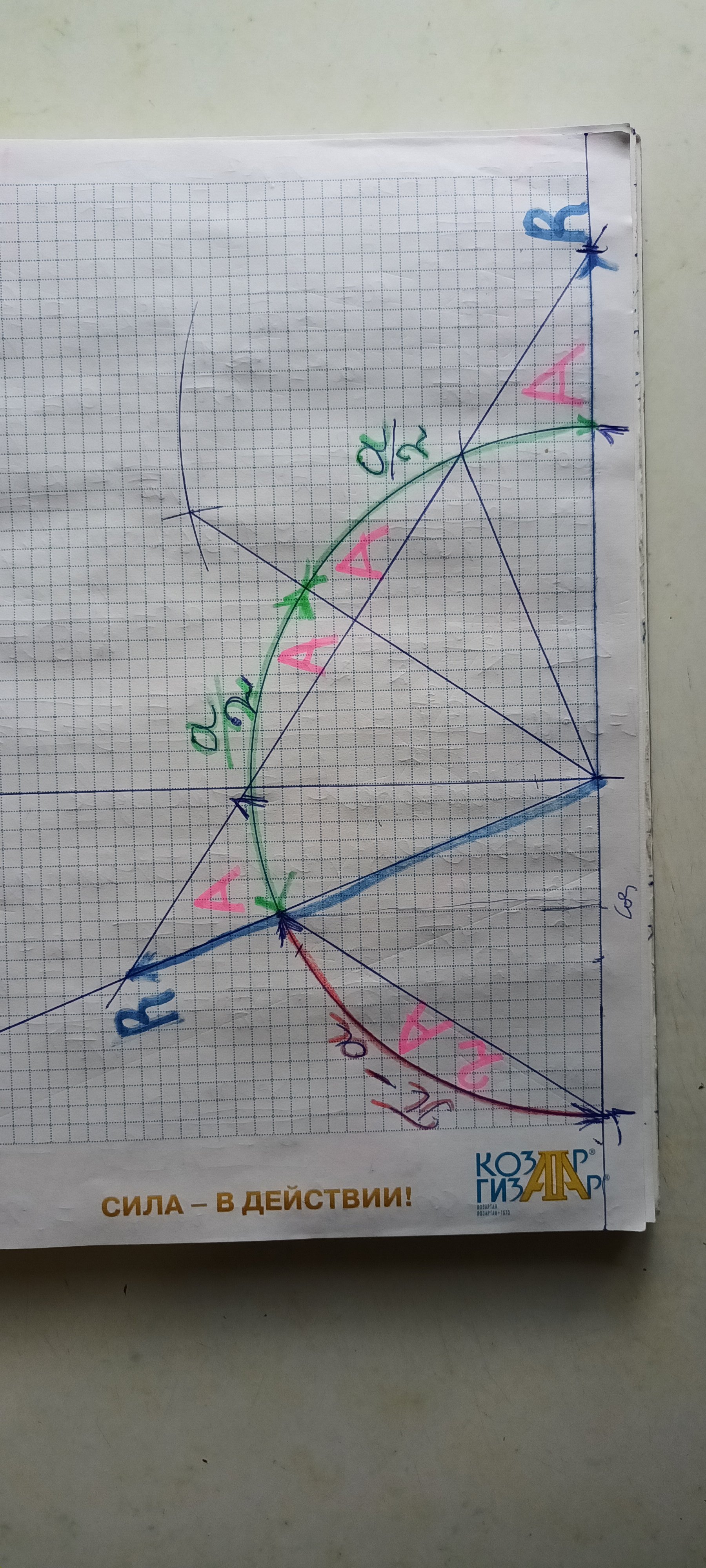
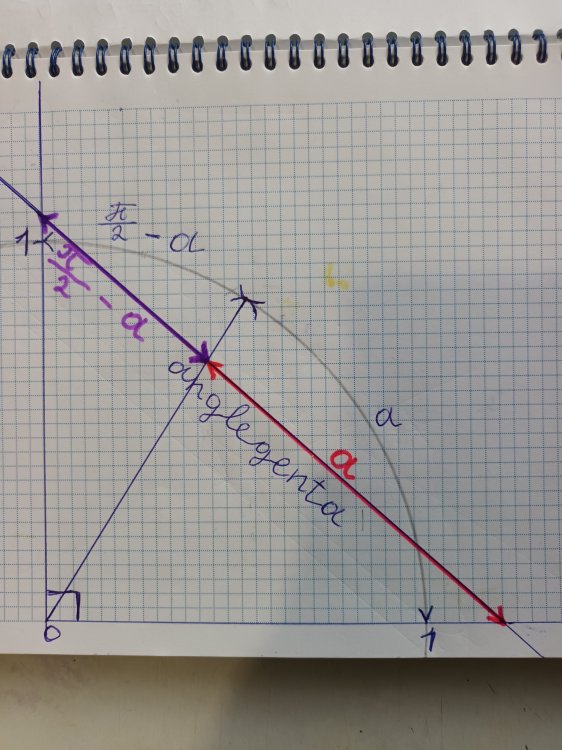
Let's consider what is anglegenta on the diagram. Is there any law between anglegenta and sectorsgenta? Are sectorsgenta and anglegenta parallel when a=1 rad ?
-
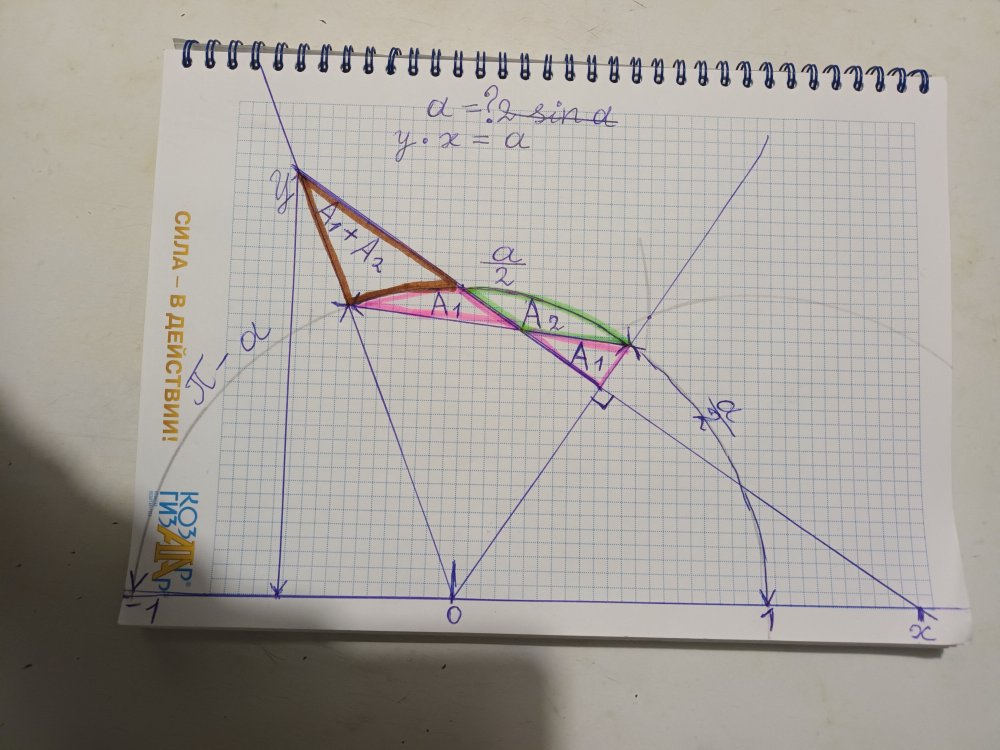
I mistaken again. How to solve next problem?
-
a is arc of unit circle in radians. It shown on diagram.
-
I have mistaken because it correct only when à=Pi/4 . You are correct only in the case too. Because green line is not tangenta to the circle in point [cos(a); sin(a)] . It is tangenta in other point.
-
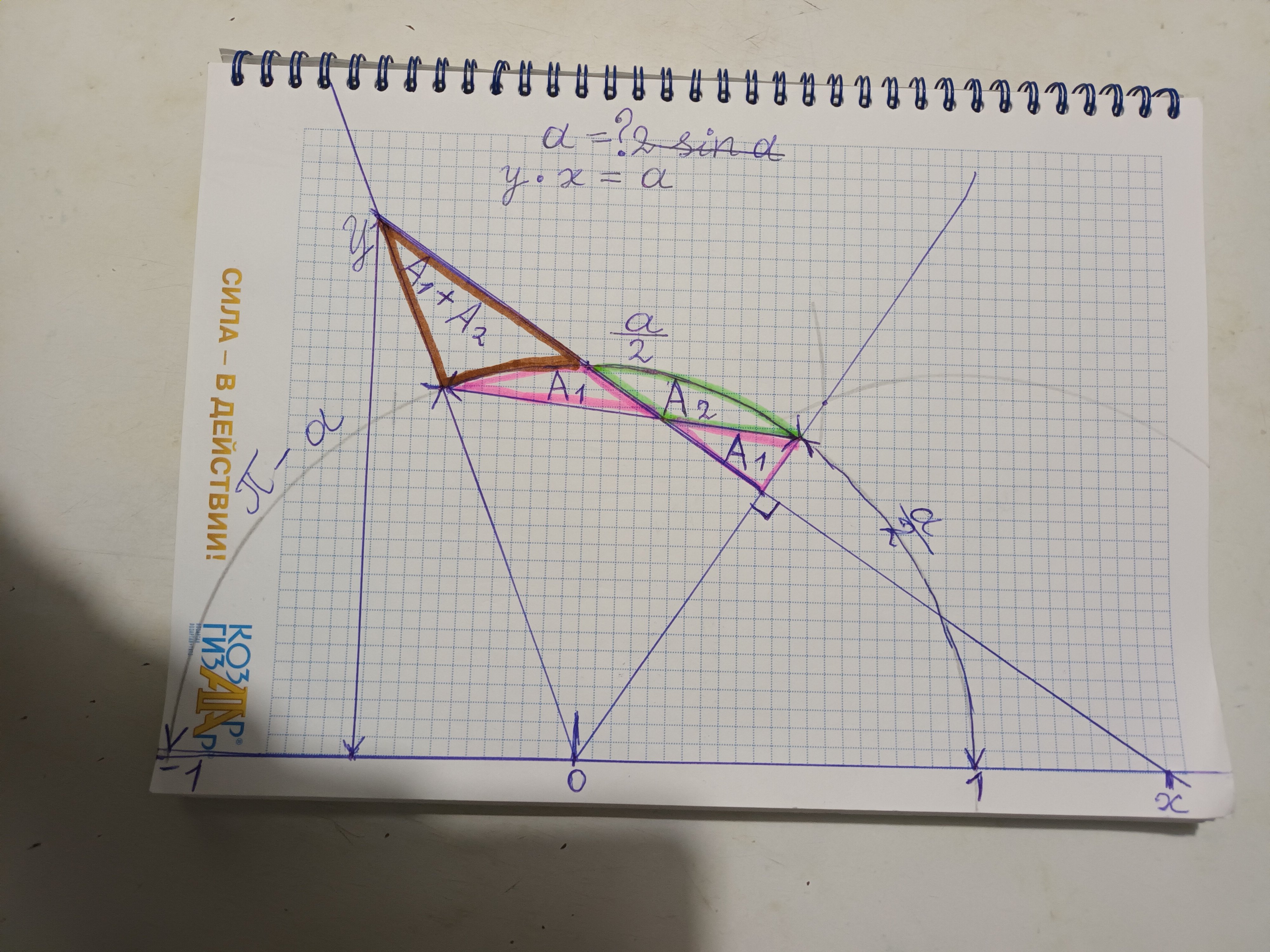
Let's fistly consider what is sectorsgenta then the hypothesis
-
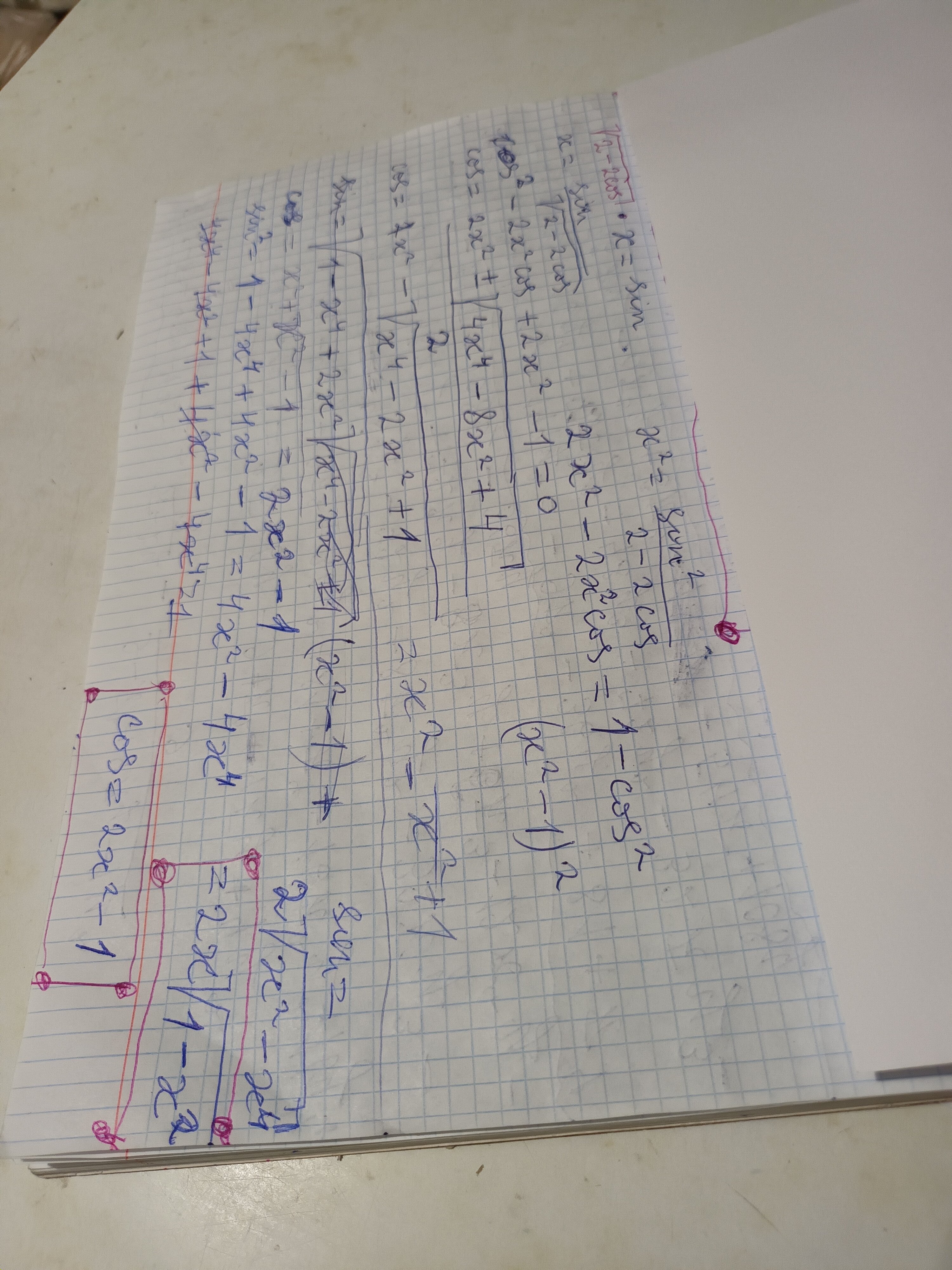
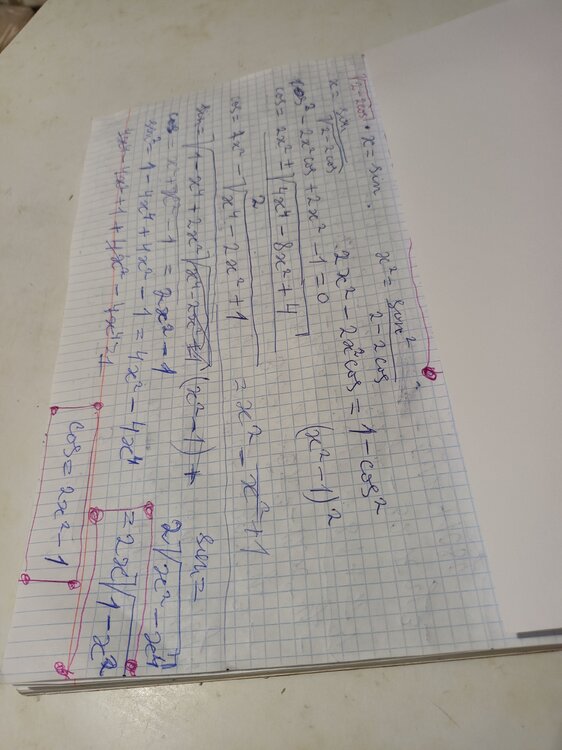
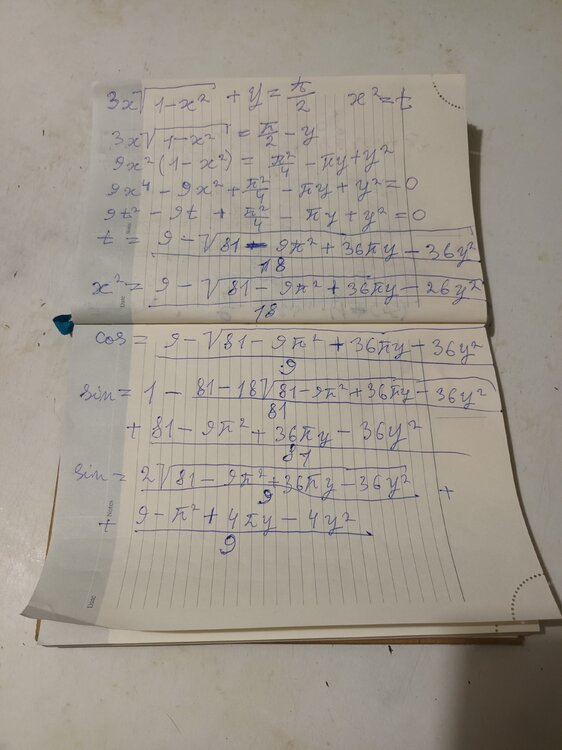
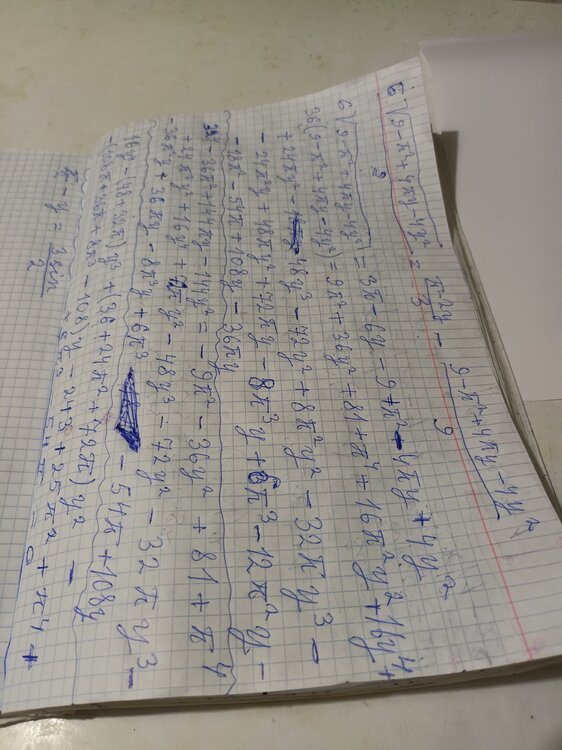
a=2sin(a) I have no higher education and I am janitor therefore I don't understand why we can not to exactly solve it relative to Pi. Can next method be correct?
-
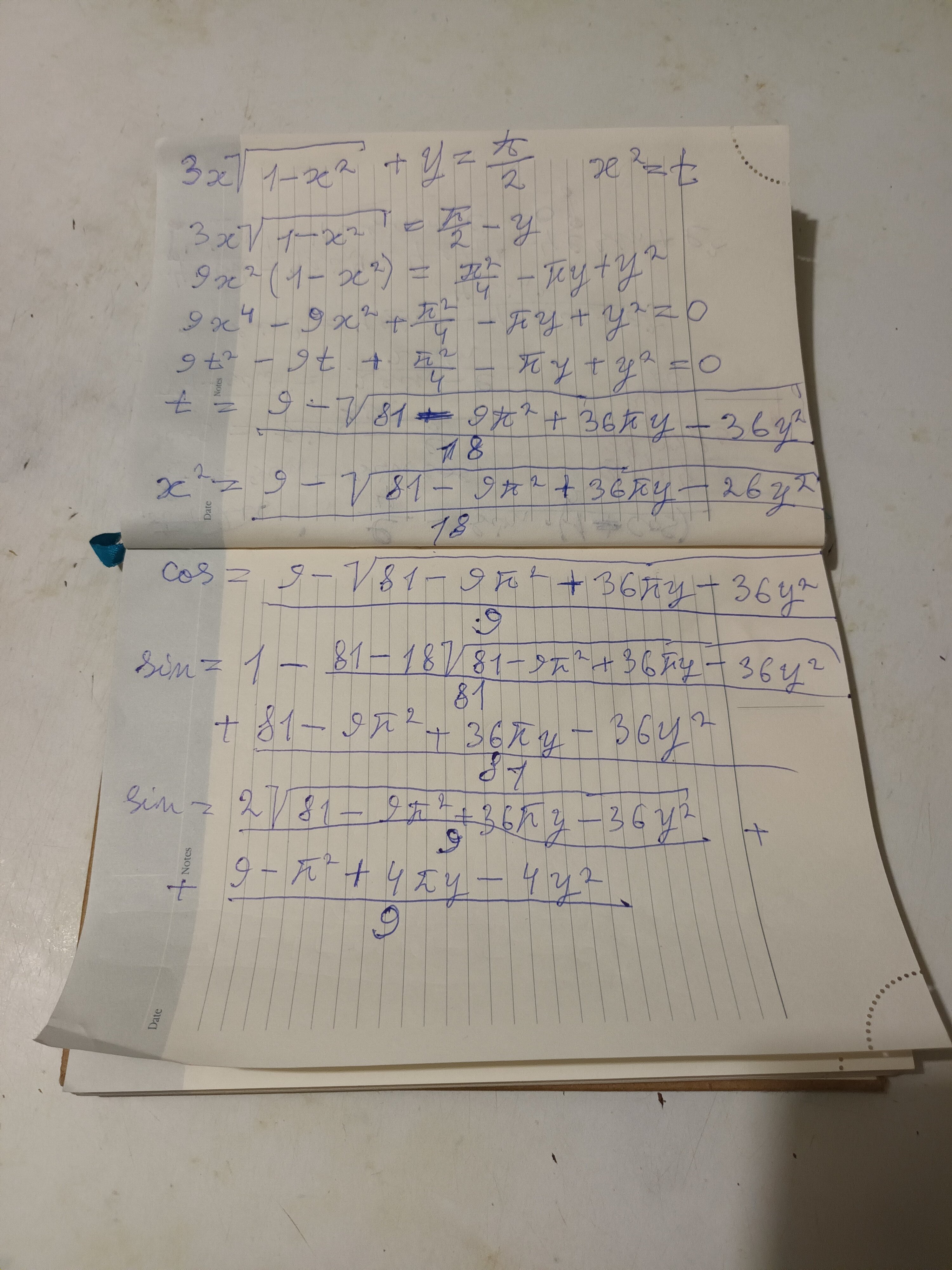
Seems we can exactly solve such problem: a - sin(a) = (Pi - 2)/2 😛
-
I correctly started, but in frame S' we should consider instantaneous acceleration of carriages from frame S to frame S". S is traveling at v in frame S'. S" is traveling at u' in frame S'. When ve have correct formula then we can try to serch for neutral simultaneity.