
Genady
Senior Members
-
Joined
Everything posted by Genady
-
Did anybody mention indigenous peoples living in deserts?
-
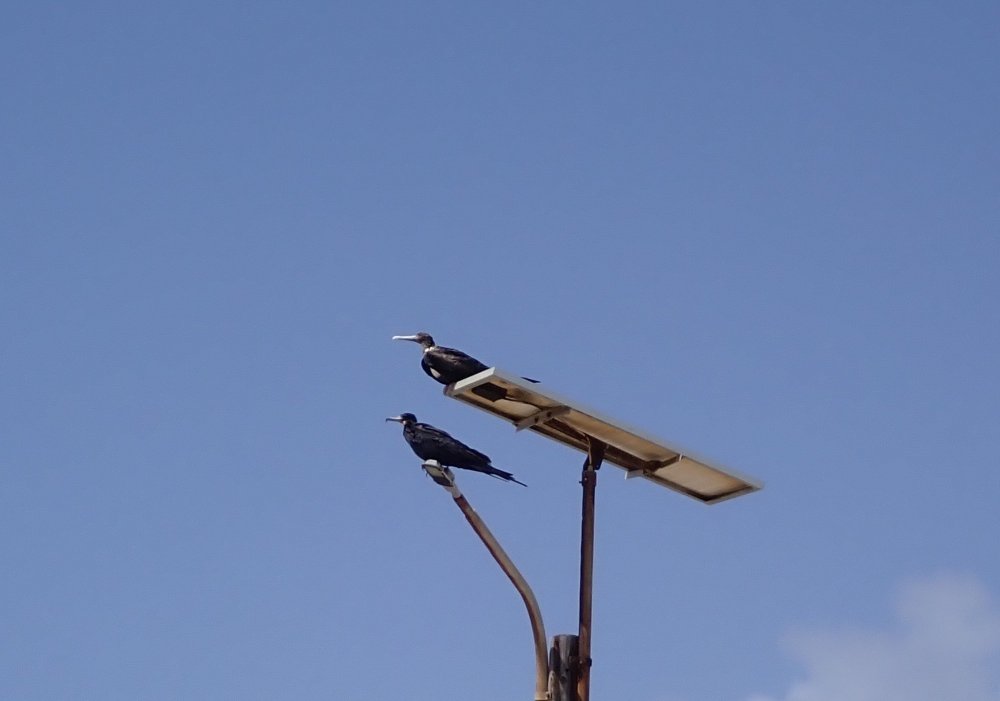
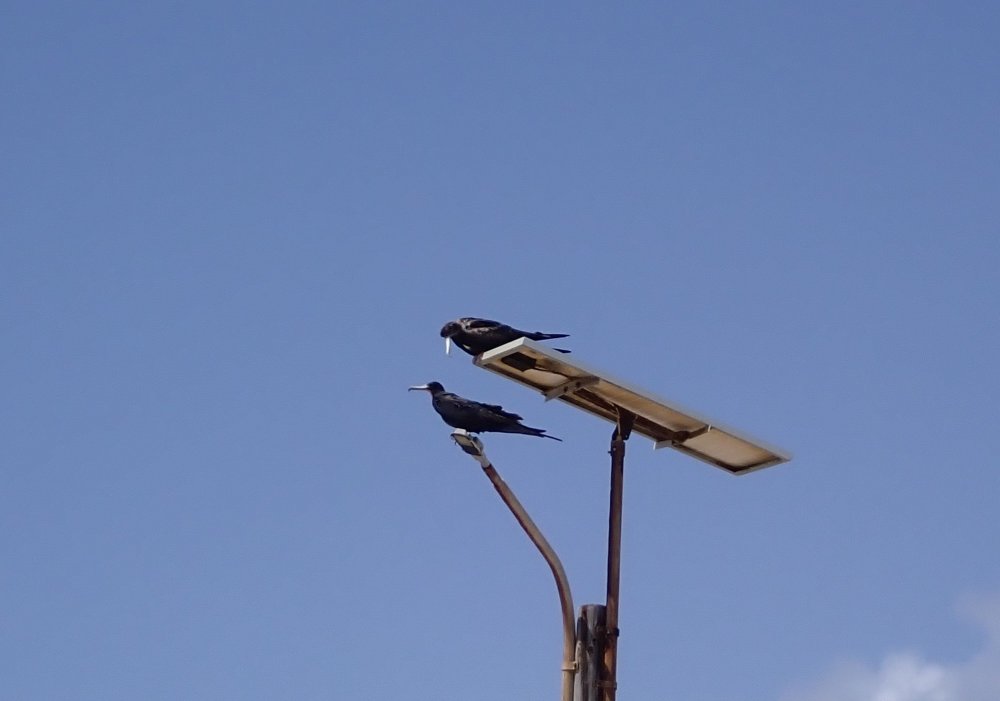
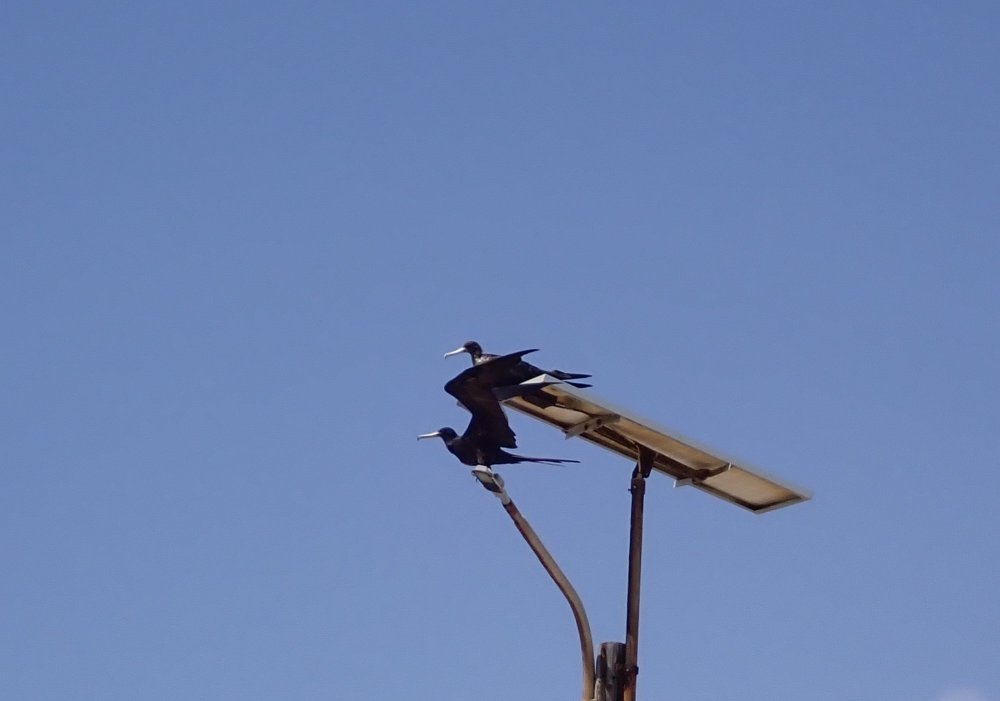
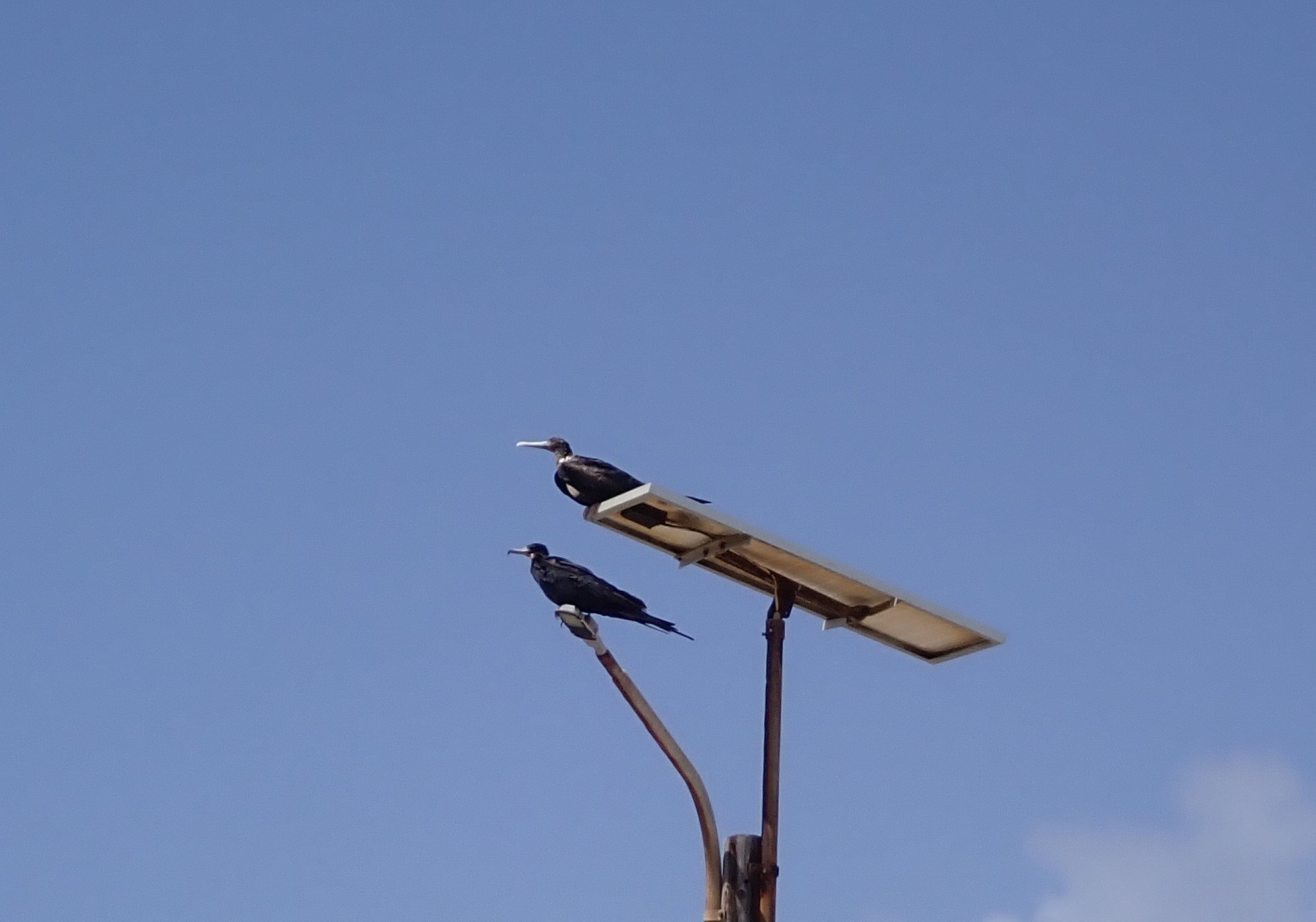
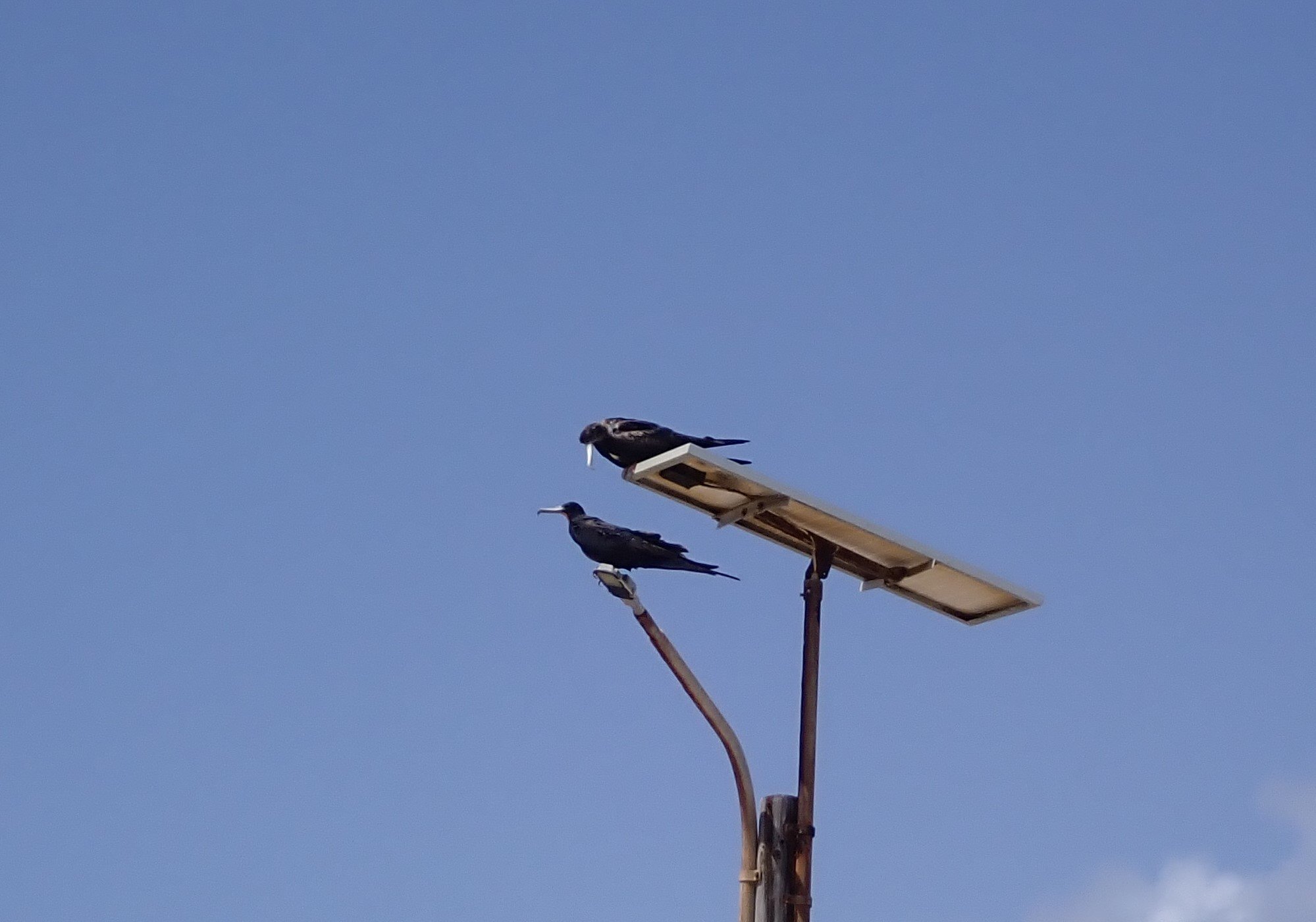
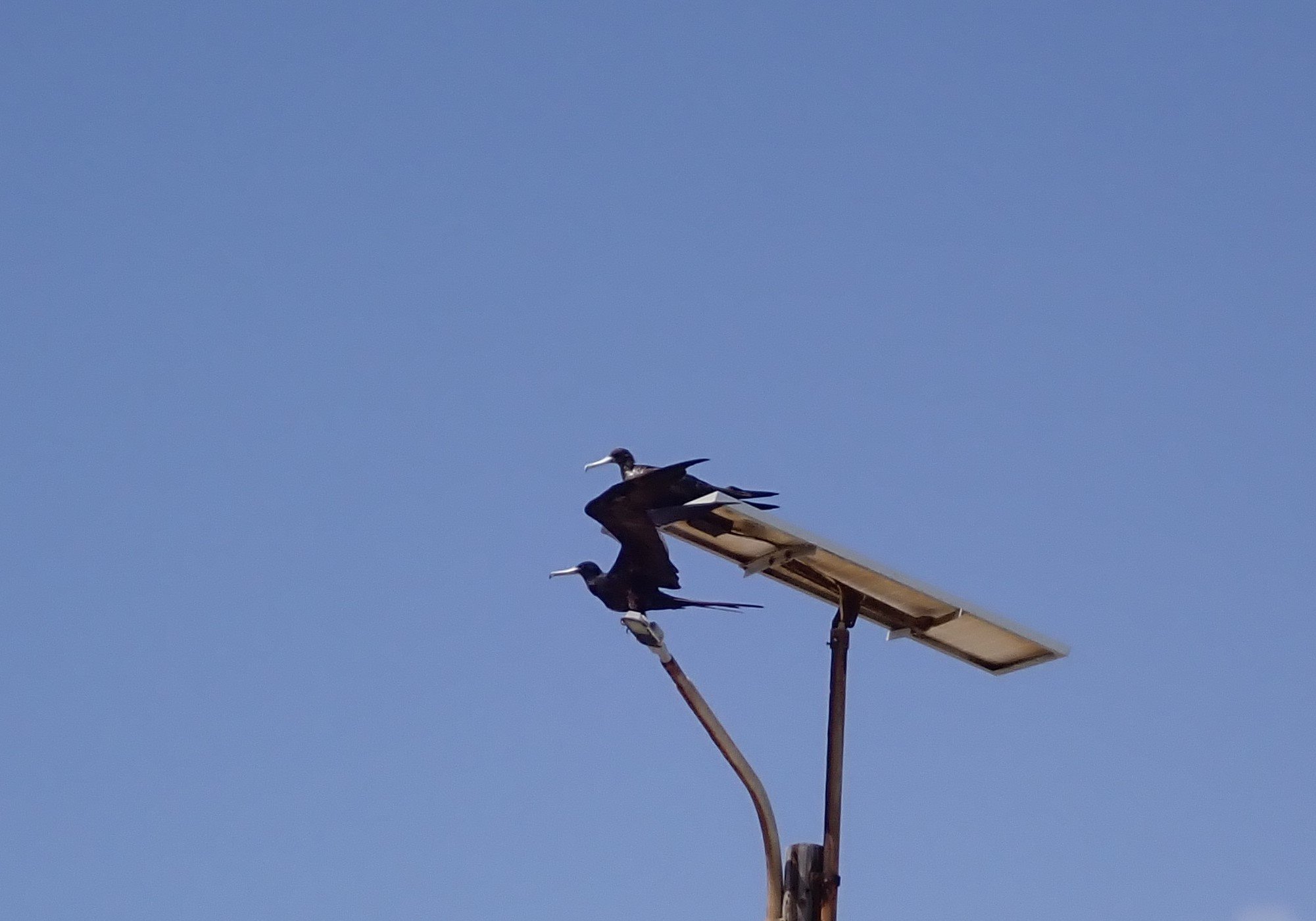
Lucky shot! As flamingoes move all the time, this configuration perhaps stayed only several seconds. Here is a sequence of pictures I took, with a symmetry breaking. A couple, male (in front) and female (in back), of Magnificent Frigatebirds resting on a solar light (incidentally you and I discussed solar panels not long ago): They are the largest birds here, with a huge 6-foot wingspan.
-
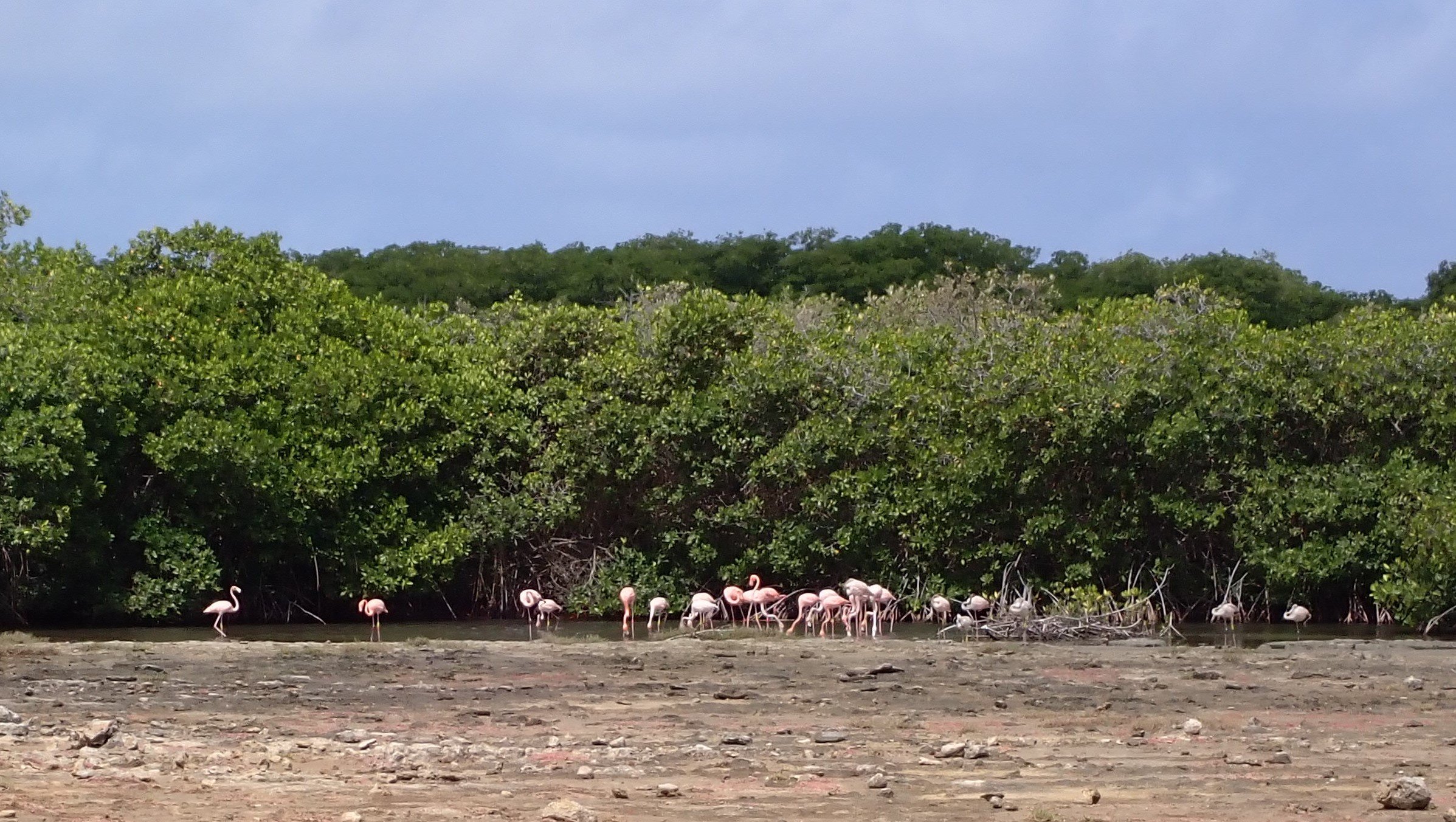
Asymmetry is beautiful. Flamingoes at mangrove forest edge:

-
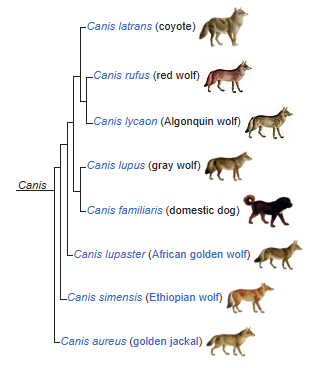
This would increase rather than decrease the submersible's buoyancy, wouldn't it?How often the CEO was piloting the submersible? Did he do it this time to show how much he trusts its safety?A biological classification of a taxon does not put it at the head of a chain of 'trickle down' classifications, i.e., it does not aim to answer, what the taxon contains, but rather, where the taxon is in the "tree of life". Continuing with the dog example, the biological classification of the species, C. familiaris, does not have it on top, like this: but rather has it on the bottom, like this: or like this: and so on. The difference is what is meant by "to classify" something: to "classify a set" is to analyze its contents, while to "classify a taxon" is to show its relations to other taxa.
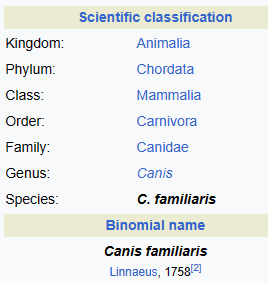
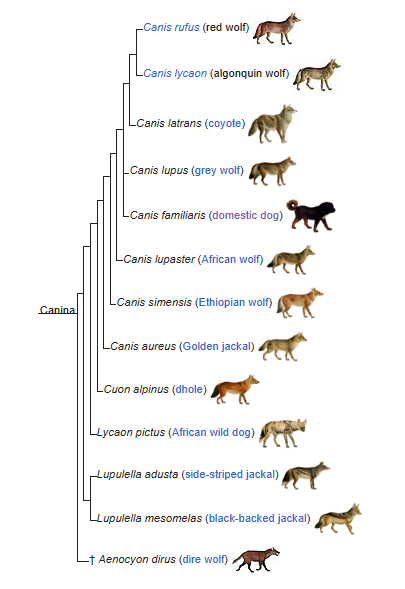 But this category is not related to evolutionary biology. It rather seems medical. There are many other classifications, e.g., by breeders, by competitions. They are irrelevant in this thread.For such reasons, scientific classifications of organisms are not arbitrary, but are developed via many studies and research, discussions, consideration of variety of factors, adjustments, etc. They are also not rigid, but are adjusted when new results, factors, etc. are discovered. In no scientific classification of dogs, for example, number of legs, tail, hair, etc. are found. Here it is: Dog - Wikipedia
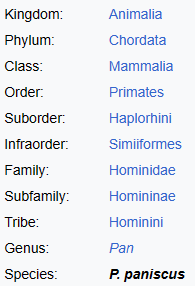
 In the 15 years since this thread was inactive good explanations have been added, for example, in youtube:How do you think such a link works in other languages? E.g., in Russian the word for biological extinction has nothing to do with the word for extinguishing. Same in Hebrew.Sometimes there are also Suborders, Subfamilies, etc., e.g., Bonobo - Wikipedia
 Square roots, yes. Exponents, only in a limited way.Correct, and glad you liked it. +1I see. I didn't refer to definitions of words, specifically, the word "extinct". I only referred to how it is used in biology, more specifically, in the study of biological evolution. I don't know, how its uses in other sciences relate to this one. Regarding the different taxonomies, as I've described in my previous comment, any classification scheme leads to the same conclusion that the species Homo erectus is extinct. The difference is only in when exactly it happened.I don't see a disagreement about definitions in this thread. By any definition, in any classification scheme of organisms in biology, Homo sapiens and Homo erectus are two different species. There is a finite number of animals, and they can be linearly arranged by the time of their death. Thus, by any definition, somewhere on this line there is a last Homo erectus. After that, the Homo erectus species is extinct.I am very sorry indeed. I didn't mean to use ridicule, and I am sorry that it came through as if I did. This is a difference between sets and taxa. What other definitions? I don't think the arguing in the thread was about definitions. It was about misapplying them.Welcome. Since you like solving arithmetic problems, you could try, for starters, a new one posted today here: https://www.scienceforums.net/topic/131993-sum-of-prime-numbers/ Tell me if it is too advanced and I will try to point you to some others.Yes, the expectation is still 0.It is the "eye" icon above on the very right. Thank you.You are correct, +1. Would you please use the "Spoiler" feature next time, to give others a chance?No, if there are uncountably many possibilities.Every taxon is a set of organisms, but not every set of organisms is a taxon.Taxons are specific. They are: Biologists are not free to call any bunch of things a "taxon".Not so in biology: Taxon | biology | Britannica.

Important Information
We have placed cookies on your device to help make this website better. You can adjust your cookie settings, otherwise we'll assume you're okay to continue.