
HbWhi5F
Senior Members
-
Joined
-
Last visited
Everything posted by HbWhi5F
-
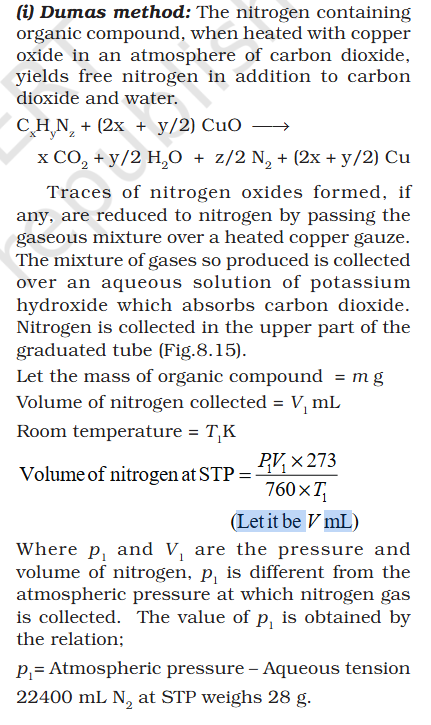
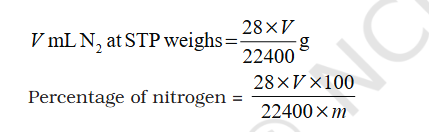
Is STP supposed to be 0C 20C or 25C ? I didn't understand anything What is 760 What is 273
-
-ve O has 8 electrons so it's -2. +O has 8 electrons too and why it's negative.
-
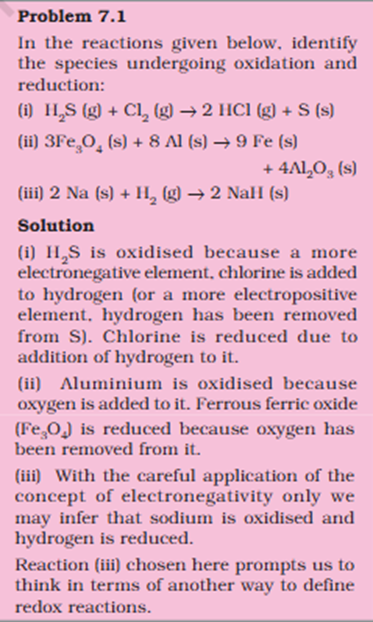
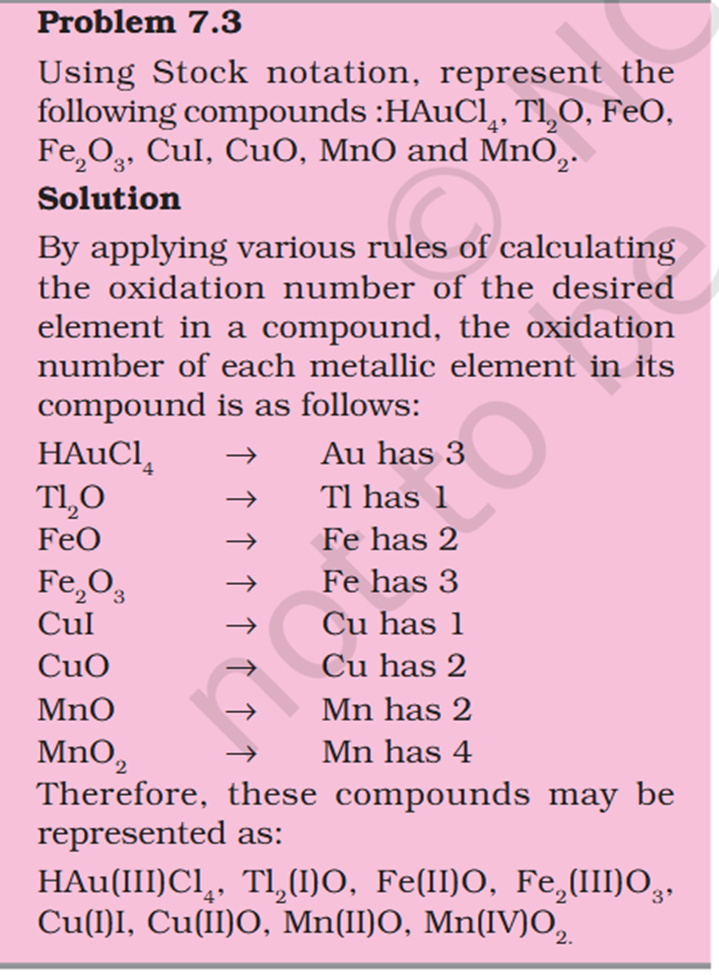
@exchemist In (i) What takes priority Electron transfer or Electronegative/Positive element ? I think more electronegative is a good oxidant In (i) Explain addition of Electronegative/Positive element seen as oxidation When the other atoms is more electronegative it is oxidized In (iii) How can Na be oxidized when hydrogen is been added to it ? This part is wierd hydrogen being added is reduced.
-
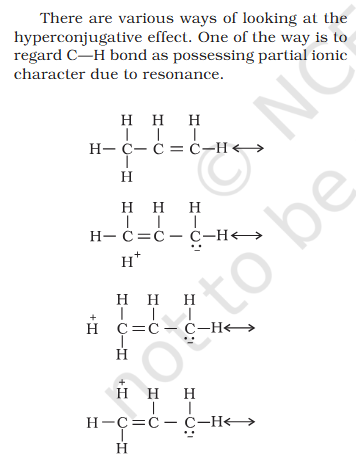
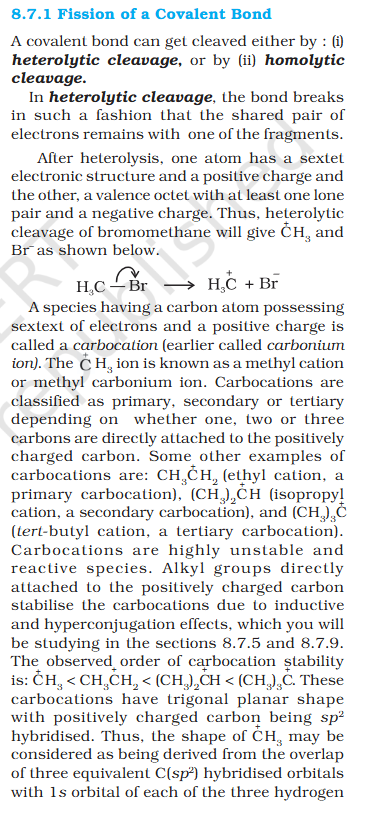
It seems like a miss-print/render H+ is partially positive but still bonded ? Positive charge needs to be on C for it's empty p-orbital to be stabilized by adjacent C-H bon's sigma bond. What is the role of -ve charge on C ?
-
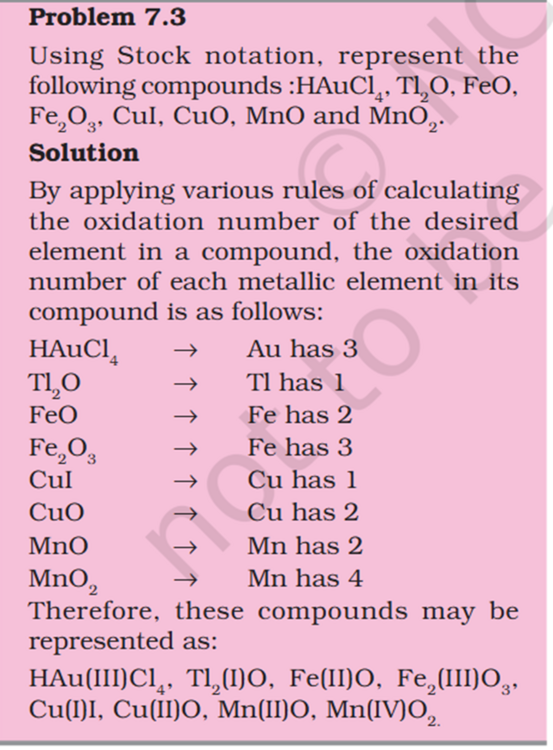
Problem 7.1 In (i) What takes priority Electron transfer or Electronegative/Positive element ? In (i) Explain addition of Electronegative/Positive element seen as oxidation In (iii) How can Na be oxidized when hydrogen is been added to it ?
-
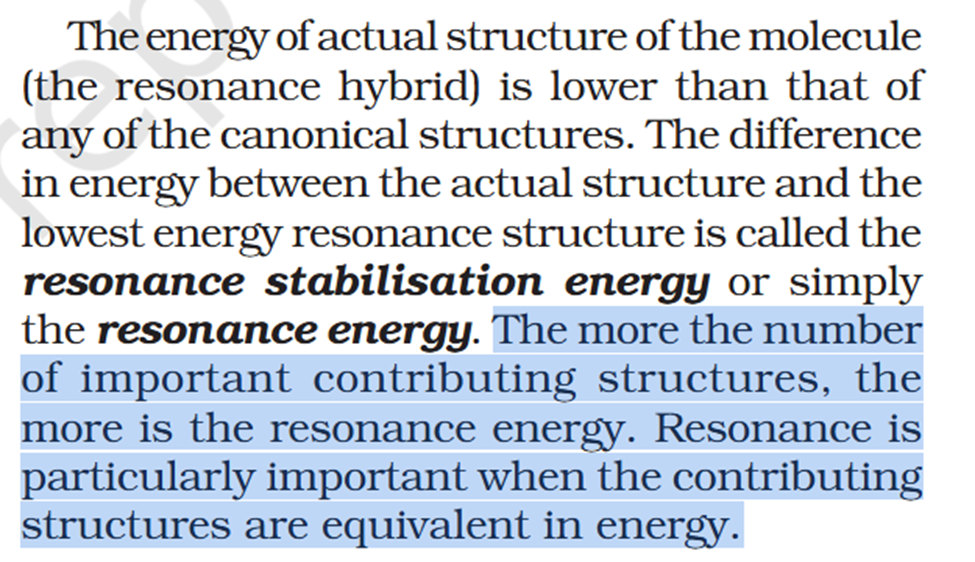
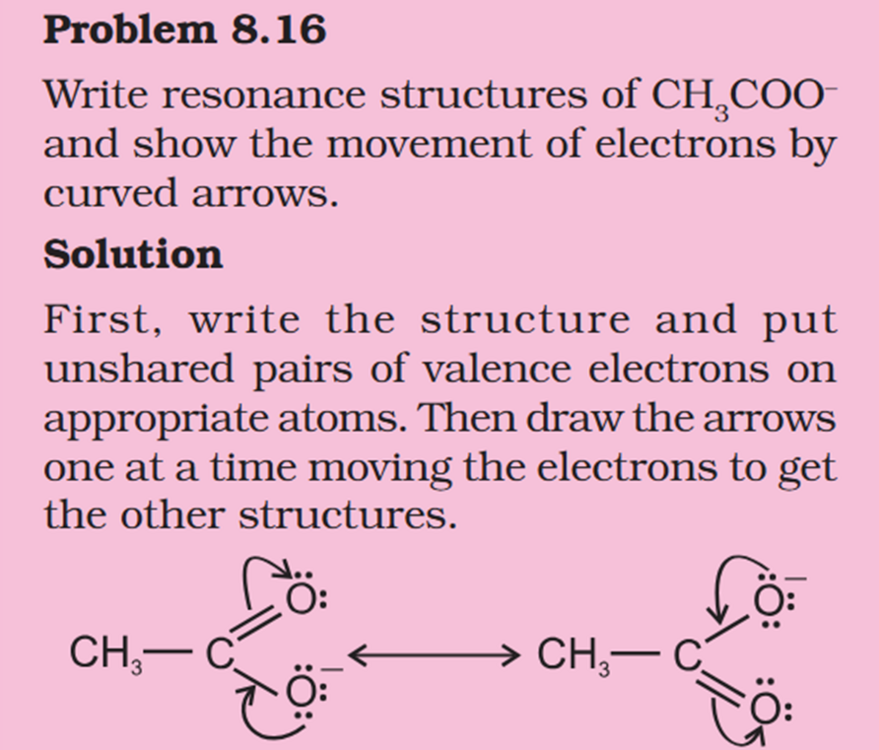
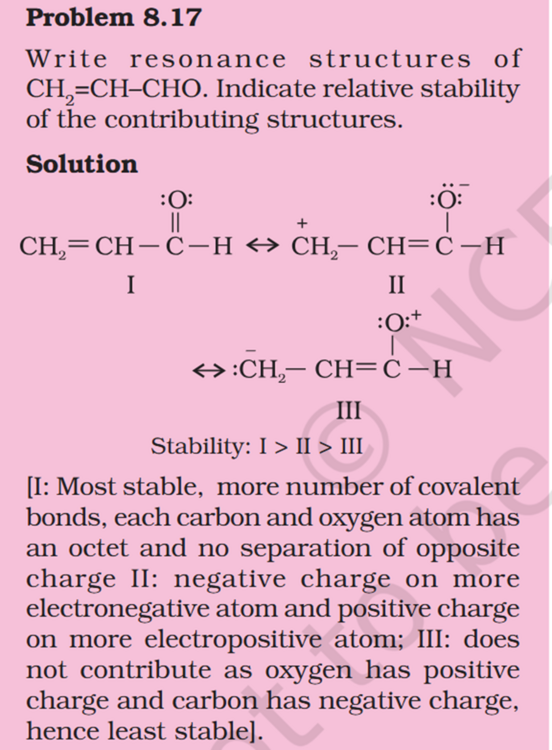
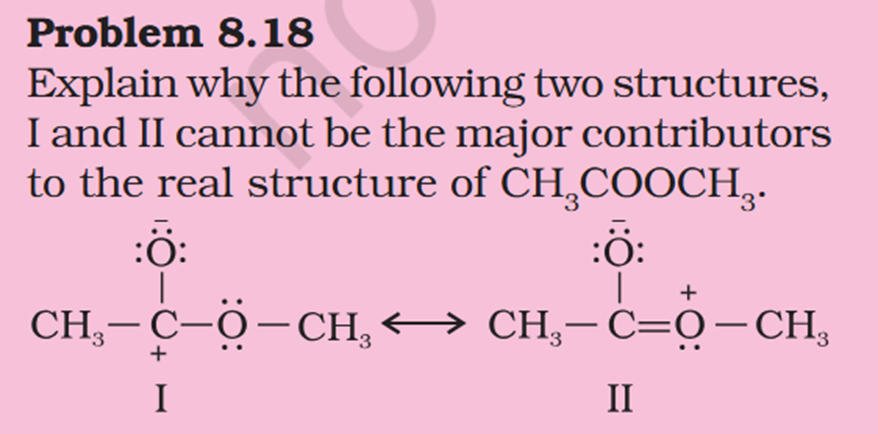
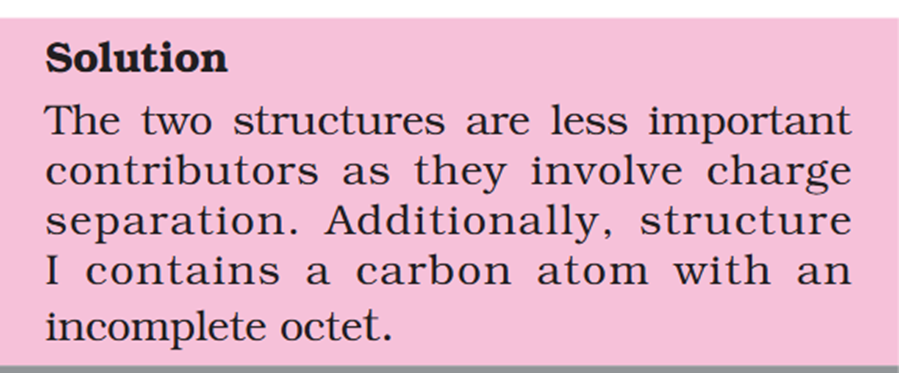
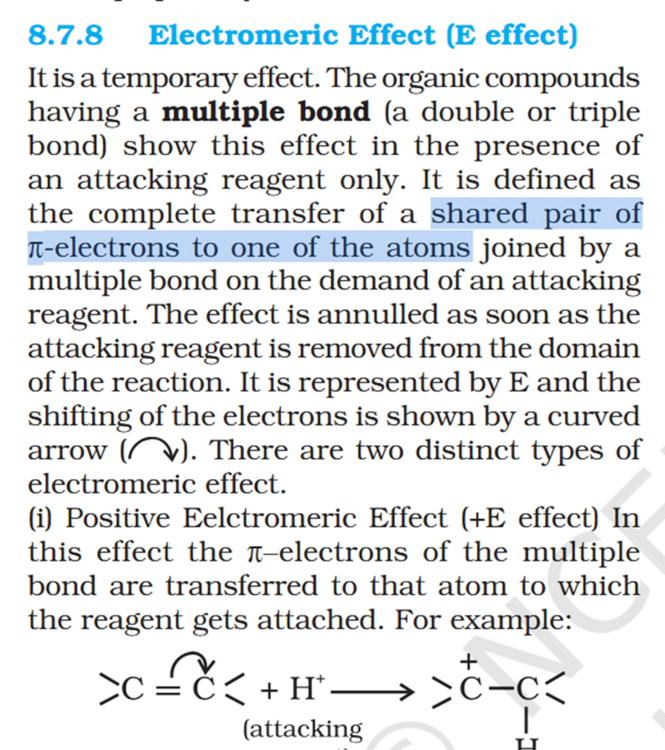
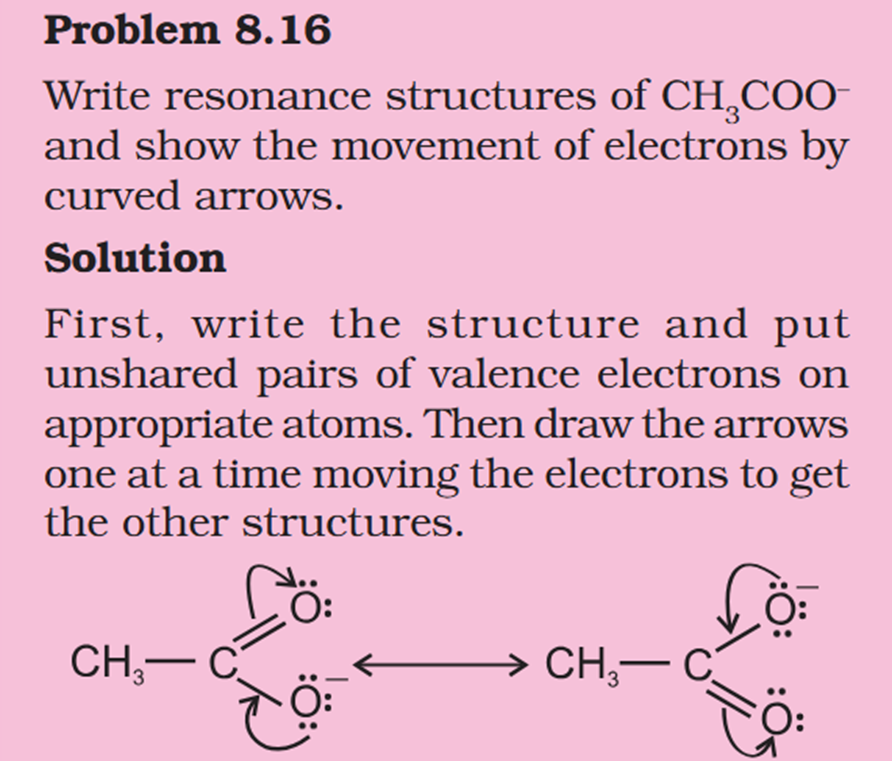
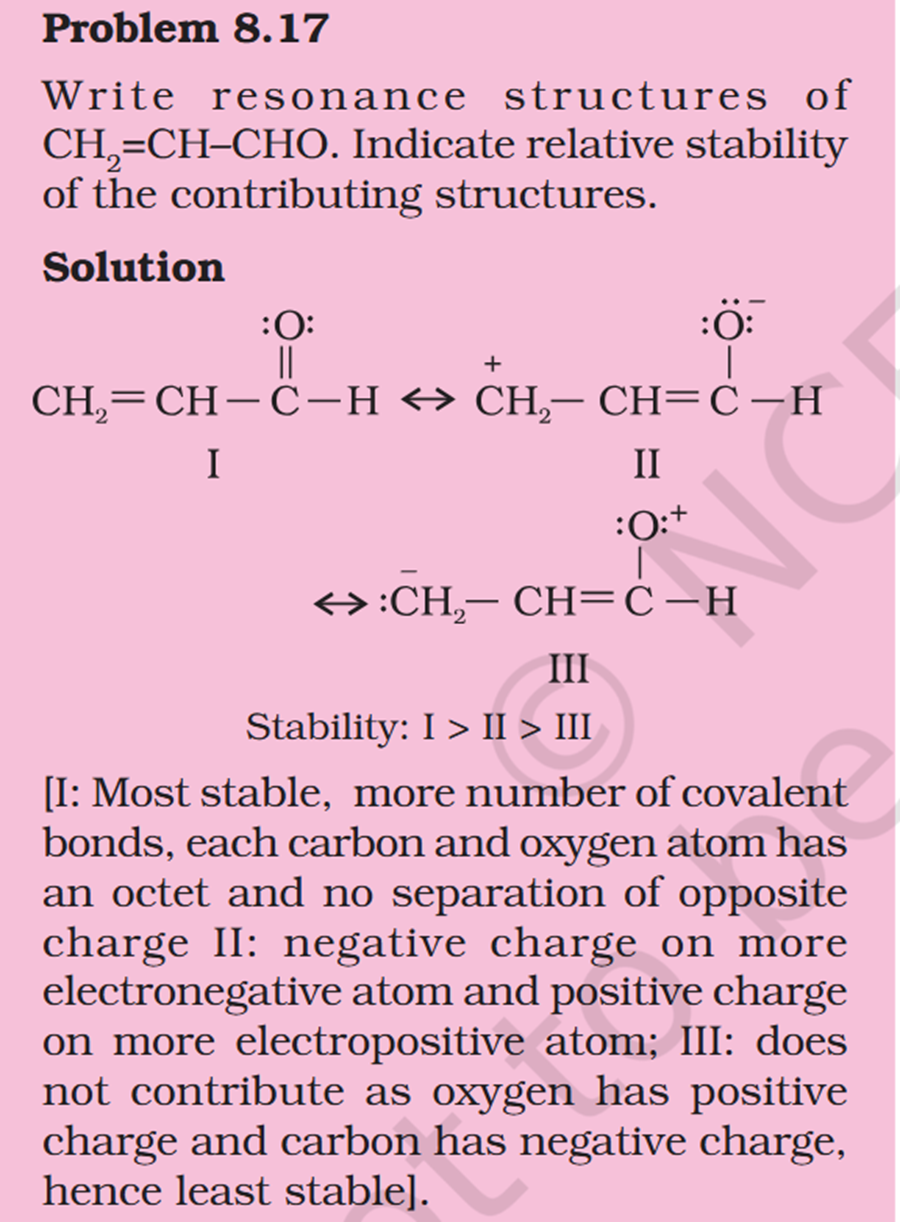
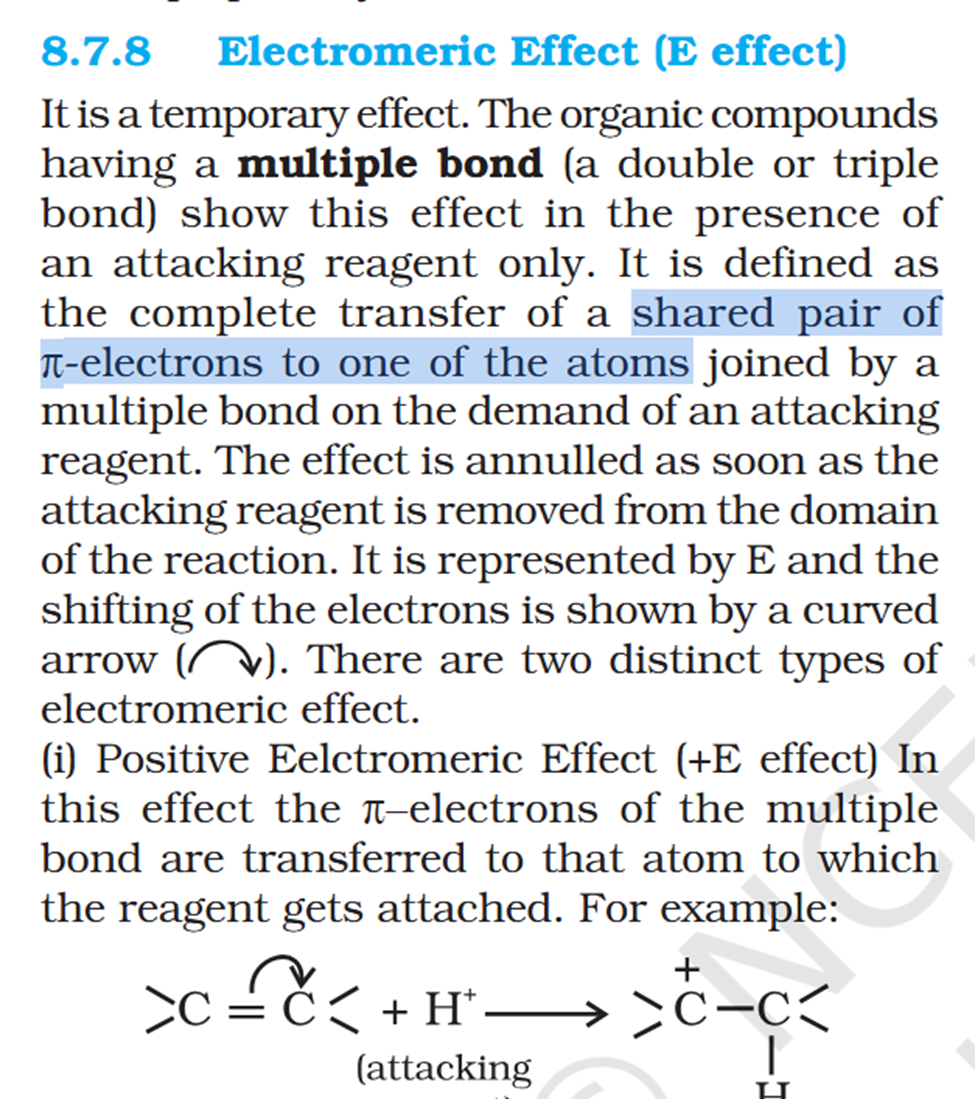
Concept If resonance energy is more that means the means resonance structures have varying energies and it should be less stable aka more energy ? So more resonance energy = More Stability ? Problem 8.16 Does the electron movement be of 1 electron and not a pair. C needs 4 more electrons the 2 hooked arrow shows C is getting 1 extra electron. Problem 8.17 Resonance structure needs to have same no. of unpaired electrons. Why charges develop of II Why is O in III +ve Explain “does not contribute as oxygen has positive charge and carbon has negative charge, hence least stable].” Problem 8.18 In II why would O develop +ve charge Explain the answer Electrometric Effect Book says transfer to Pie bond but pie bond atom always looses
-
Actually 1 wrote "It would be good if some of your countrymen would step in here and tell you that it doesn't hurt to respond to those who have genuinely put themselves out to help you." Many be I am reading it wrong but what is "countrymen" about ?
-
@exchemist @pinball1970 Sorry if i haven't thanked you for your answer but I do read them, it isn't like I just post question if you feel that way.
-
@studiot thanks @exchemist
-
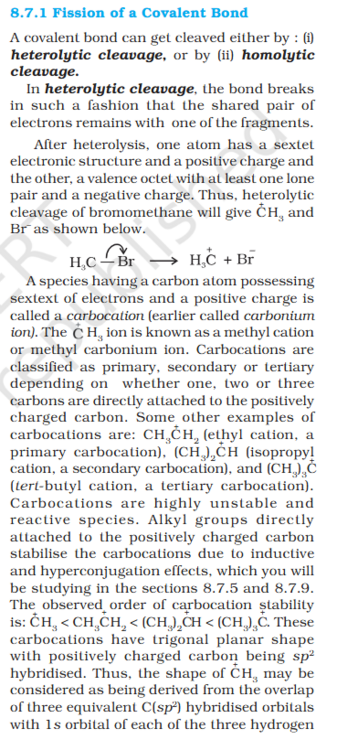
Carbon are 4 valence electrons and Oxygen has 6. So C being sextet is -2 charged ?
-
@KJW Is there a parent compound priority list? Also thanks for the reply I am being boycotted on the forum. I know I take sometime to reply but somehow that make fellow scholars racist.
-
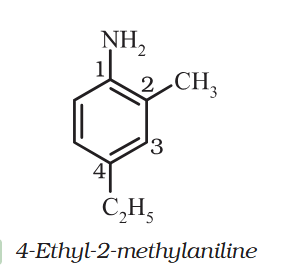
@KJW I understand 4-Ethyl-2-methylaniline is the correct name but Is 1-amino-4-Ethyl-2-methybenzene wrong ?
-
Ethyl is C2H6. Why why C2H5 is called that here ? Aniline means benzenamine (C₆H₅NH₂) but NH2 is at 1. So it can also be written as 1-amino-4-Ethyl-2-methybenzene ?
-
Example if carbon is bonds to 3 species we assume it's singly bonded with 2 and doubly bonded with 1 and has hybridization of sp2. Why don't we assume sp3 and there is a negative charge on C ? Is it role of hybridization is to form maximum sigma bonds ? All non-hybridized orbitals form pie bonds ?
-
@chenbeier When are triple bonds formed by O ?
-
@studiot To reiterate the question, the one pie bond in a double bond and 2 pie bonds in a triple bond are they different. I get the hybridization.
-
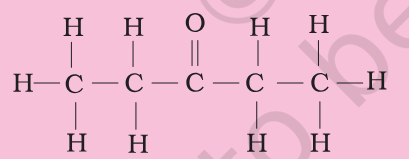
Example CH3CH2COCH2CH3 How do we know that CO has a double bond
-
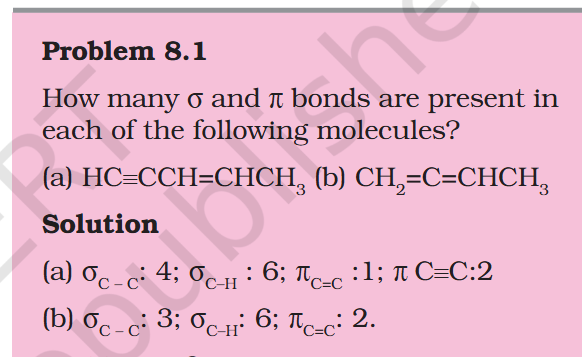
In (a) Is the Pie bond of Double and Triple Bond CC different that is why written separately in answer
-
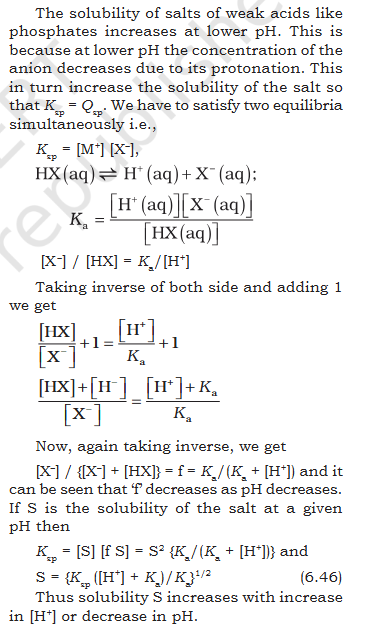
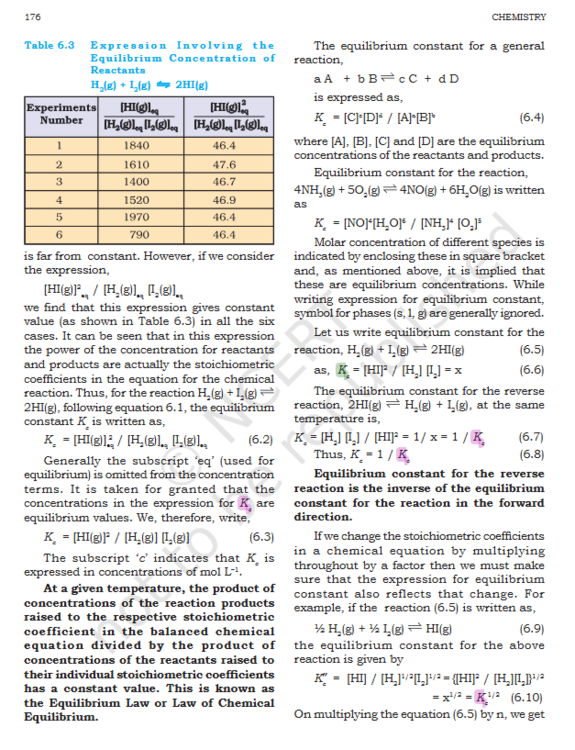
Firstly there are what seems to be typos, H has negative charge the latter inverse equation are X instead of H in denominator. Question solubility is for individual ions for salt they is solubility product Ksp ? What is S [f S] and why that equalts to Ksp and S^2 {KS/(Ks + H)} and how is that equal to S = {Ksp (H + Ka) / KA}^1/2 I took me 2+ hours to try and understand this but still don't get it.
-
@KJW thanks
-
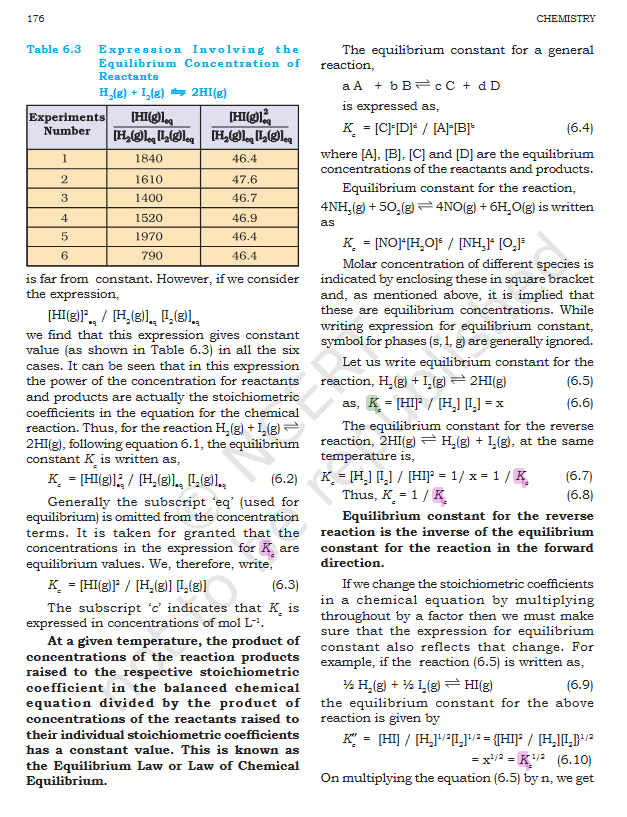
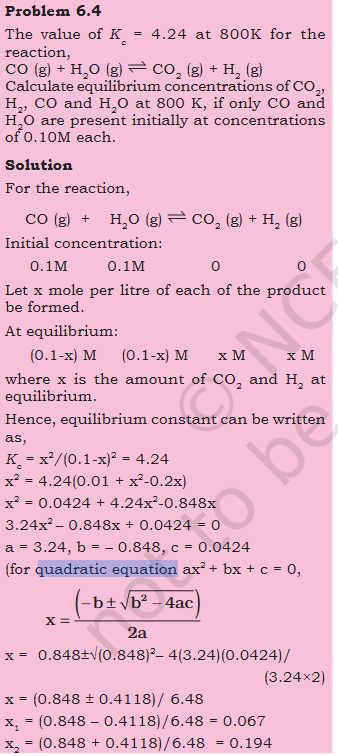
Original question Can one multiply both sides by -1 to flip signs ? Steps - Here RHS is subtracted from both sides, giving us 0 on 1 side x^2- 4.24^2 is combined both sides are multiplied by -1, to flip the signs. that seems like cheating, just flipping signs. If LHS where subtracted from the both sides we would have still got the same result ?@sethoflagos
Important Information
We have placed cookies on your device to help make this website better. You can adjust your cookie settings, otherwise we'll assume you're okay to continue.
Account
Navigation
Search
Configure browser push notifications
Chrome (Android)
- Tap the lock icon next to the address bar.
- Tap Permissions → Notifications.
- Adjust your preference.
Chrome (Desktop)
- Click the padlock icon in the address bar.
- Select Site settings.
- Find Notifications and adjust your preference.
Safari (iOS 16.4+)
- Ensure the site is installed via Add to Home Screen.
- Open Settings App → Notifications.
- Find your app name and adjust your preference.
Safari (macOS)
- Go to Safari → Preferences.
- Click the Websites tab.
- Select Notifications in the sidebar.
- Find this website and adjust your preference.
Edge (Android)
- Tap the lock icon next to the address bar.
- Tap Permissions.
- Find Notifications and adjust your preference.
Edge (Desktop)
- Click the padlock icon in the address bar.
- Click Permissions for this site.
- Find Notifications and adjust your preference.
Firefox (Android)
- Go to Settings → Site permissions.
- Tap Notifications.
- Find this site in the list and adjust your preference.
Firefox (Desktop)
- Open Firefox Settings.
- Search for Notifications.
- Find this site in the list and adjust your preference.