
shivajikobardan
Senior Members
-
Joined
-
Last visited
Everything posted by shivajikobardan
-
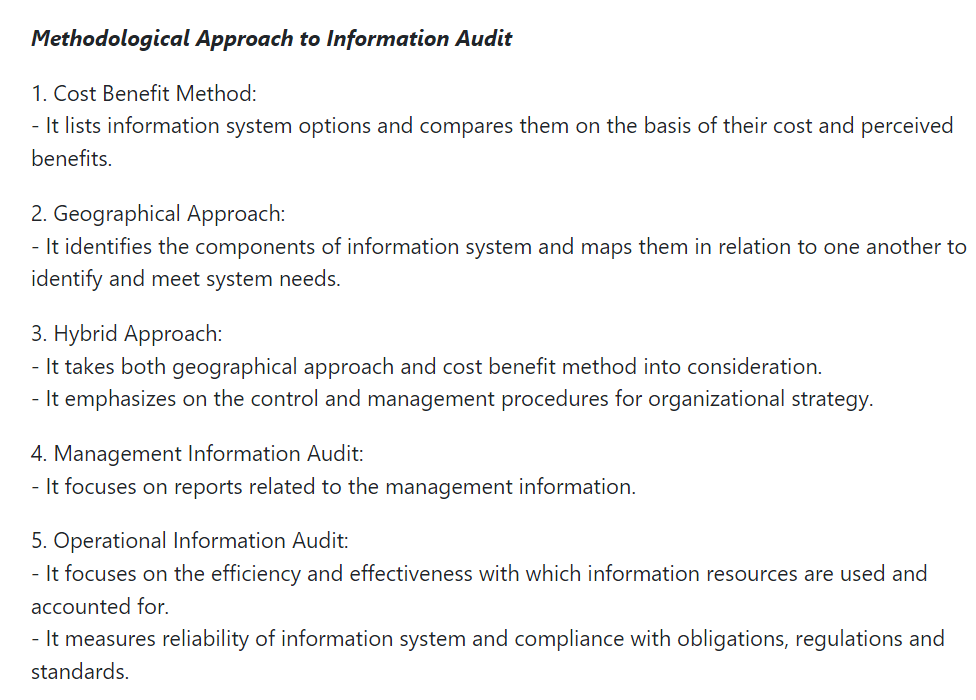
There are 0 resources to study this topic as well except this 1 badly written website. Any idea what they are trying to say?
-
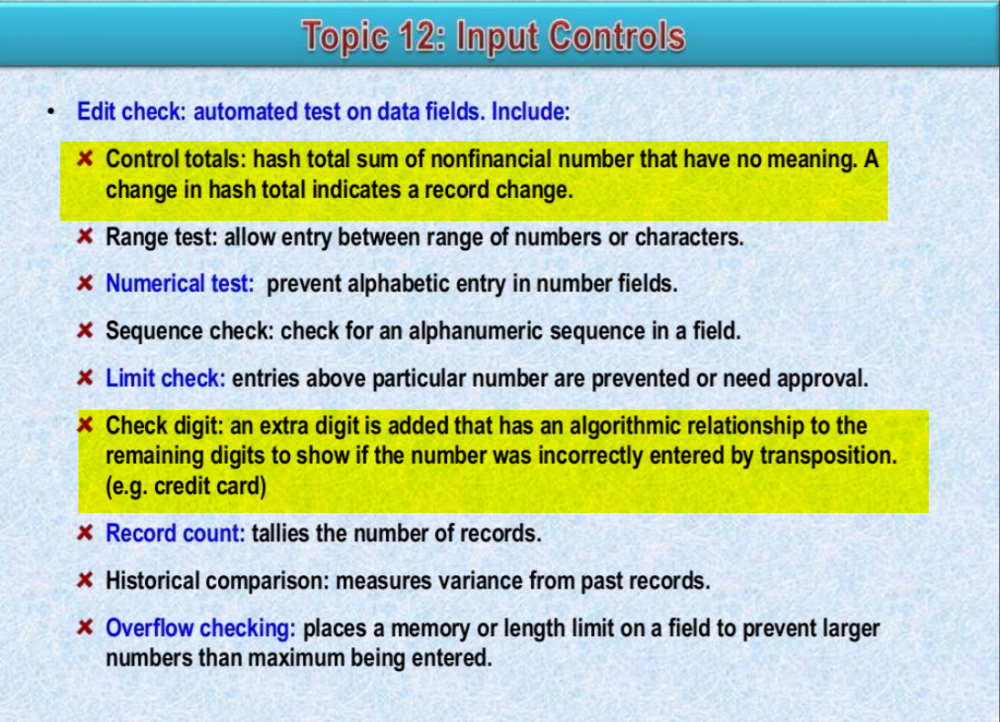
can you post some examples of this?
-
thank u
-
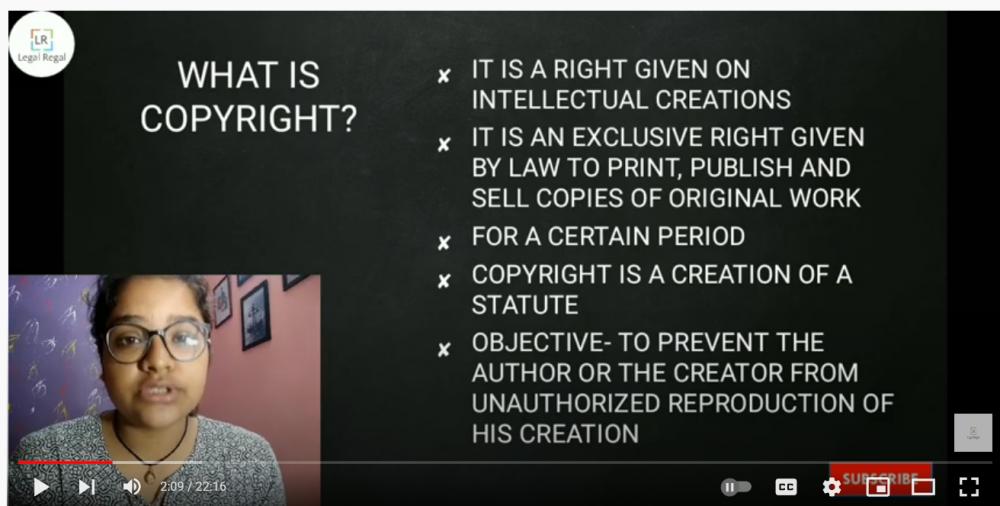
context taken from here. I am not law student but engineering student but we have to study this in our subject called engineering professional practice and I got confused so asking this here... source-:
-
Why is the wall/services required tendering in government sector? this is the question
-
Honestly, I can't understand what it is trying to ask me. https://ioesolutions.esign.com.np/notes/text-notes-show/Sector-Contract-Management I am learning engineering professional practice. I am studying this chapter(link above). What is the question trying to ask to me? Can you tell me about that? I have a book about it as well but I can't find what keyword I think I should search..
-
So I messed up in a tactical move. I was studying artificial intelligence for my backlog exam(exam that I failed also called supplementary exam, re-exam, retaking exam). That was so huge and due to lots of other reasons (I don't want to sound whining so not mentioning them), I am here. I have accepted my state. Now I need to optimize this problem. Select 2 exams that you skip and study the rest. The circled ones are the dates in which my exams will occur. I have 20 days for exam. Leaving 3 days for revising first subject. I have explained about how my exams will be hard, easy, long, short content etc. I need to choose a best decision for myself and select the 2 subjects to skip so that I can achieve maximum learning. This is my last exam of engineering. After that I am graduating so I will have lots of free time in hand to study, consider that as well. Any guidance on what exams should I skip?
-
i didn't get what you mean bro. i didn't mean anything negatively. sorry for misunderstanding.
-
ahaha
-
1 example to represent the question in semantic net. Second question-: every student loves to party. Represent this in semantic net. The answer is below-:
-
bro you guys are mindreaders exactly whhat i needed. thanks.
-
I am studying artificial intelligence for exam and came to a point where I need to revise everything I stuided. It ofc takes more effort in brain than learning the concept watching tutorials and reading blog posts as you need to memorize it(for exam). Any guidance, on how to crack this position and start revising in such a way everything enters my head? Will yoga and meditation help? How do you guys do yoga and mditation at night? My room is filled with dirt so It is not possible to do yoga here. I feel lazy to do yoga in morning outside. Should I go outside(top of my house) to do yoga and meditation? Will that help? Please guide? Sorry for off topic. Really bothering me.
-
Here is a solution, part of which doesn’t make any sense to me-: https://www.youtube.com/watch?v=JgqBM7JG9ew ->Why did we select c3,c1 and c3,c2 for 2nd generation? -> why did we select os1,os2,c3,c2 for 3rd generation? (And what the heck is happening here? We are already in 3rd generation when even 2nd one is not complete? -> then we mutate. Why are we mutating c1 lol. It doesn’t make any sense. We need to mutate one of the os1,os2,c3 or c2 according to my logic. Anyway i have tried solving 2 iterations of it. If you can help me with 2 iterations of this problem, please do so. Also test out my 2 iterations of this algorithm. What is right and wrong. I have used 1 point crossover. I just want 2 iterations of this and know when to stop and check if I am right or wrong..And understand that first solved example video that I shared above.. this is getting confusing more and more I see it. Is this something where I can do anything randomly and get marks in exam lol...I feel like so looking at it. And the internet. Internet sucks. 1 easy thing then there are 5 lakhs of posts explaining the same thing. 1 hard thing and suddenly there is noone even remotely trying to explain it. Few explanations are there but they are very contradictory to each other.
-
thanks
This is not really a homework question so don't bother answering them. It is more of a guidance problem. This is what I find the hardest out of all topics.. Unfortunately, this topic is a fixed 10 marks question in our 80 marks exam. Comes every time. The types of questions that I need to deal with my exams are like this-: john likes all kinds of food. apples are food chicken is food anything anyone eats and isn't killed by is food bill eats peanuts and is still alive. sue eats everything bill eats. prove that john like peanuts using resolution.
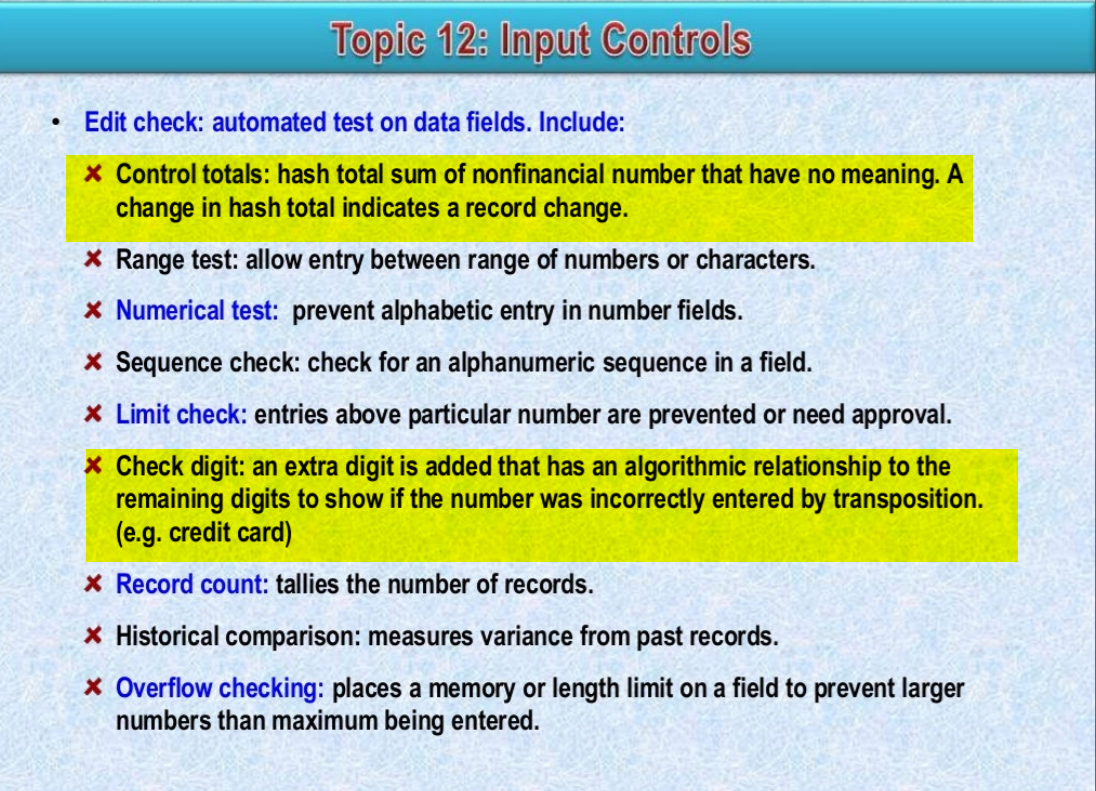
How did we get these values? https://courses.engr.illinois.edu/ece448/sp2020/slides/lec15.pdf This is the slide that I am referring to. I honestly don’t understand what is going on here. Please guide me a bit here.
As you can see I am not getting correct result. What have I messed up? I want to learn it. https://slideplayer.com/slide/4942120/ Here is full slide in case anyone wants to refer to it.
There are 2 questions commonly asked(rarely though) in my exams. 1) Explain about mamdani fuzzy inference method with example. 2) explain fuzzy inference with suitable example. Now I am self studying. I have 4 books with me, but none of them have this content. IDK why tho..There are other details but not about thse 2 questions. Can you just guide me what I am supposed to write here? A framework about what to write would be more than helpful to me.
Really need this. Tried googling but not many. 1 or 2 are there. I want this algorithm solved by hand to some problem. IDK what kinds of problems exists. but one is knapsack problem. there is analytics vidya's tutorial but I want sth else, more direct, more clear....Any resource you can show to me? I really need it. This is important for my exam. Asked almost 70% of time.
This code is for iterative deepening depth first search in python. # Python dictionary to act as an adjacency list graph = { '7' : ['19','21', '14'], '19': ['1', '12', '31'], '21': [], '14': ['23', '6'], '1' : [], '12': [], '31': [], '23': [], '6' : [] } visited=[] goal='31' depth=0 depth_limit=2 def dls(visited, graph, node,depth_limit): if(node==goal): print("goal found") return True if(depth>=0): #to print path if node not in visited: visited.append(node) for neighbor in graph[node]: dls(visited, graph, neighbor,depth_limit-1) return False def iddfs(visited,graph,node): while True: solution=dls(visited,graph,node,depth_limit) if(solution==goal): print("Success goal find at depth=",depth) print("Path=",visited) depth=depth+1 print("Following is the Depth-First Search") iddfs(visited, graph, '7')[/CODE] There are various pseudocodes available for this problem. They are as follows-: I did my best to understand and implement the code but I seem to have failed. And it is getting really confusing. Can you help me? https://www.swisstransfer.com/d/96a28f8d-968c-4dae-8762-f0f0afed6dbf
# Python dictionary to act as an adjacency list graph = { '7' : ['19','21', '14'], '19': ['1', '12', '31'], '21': [], '14': ['23', '6'], '1' : [], '12': [], '31': [], '23': [], '6' : [] } visited = [] # List of visited nodes of graph. def dfs(visited, graph, node): if node not in visited: visited.append(node) for neighbor in graph[node]: dfs(visited, graph, neighbor) print(node) # Driver Code print("Following is the Depth-First Search") dfs(visited, graph, '7') print("visited=",visited) [/CODE] what I don't understand is how do once this program reaches to print(1) what happens next, it doesn't make any sense to me. idk if I am stupid or what to not realize sth very trivial or idk. I will try to explain what is my problem, step by step. steps-: 1) dfs(visited,graph,7) 2) 7 not in visited. visited=7 dfs(19) 3) 19 not in visited. visited=7,19 dfs(1) 4) 1 not in visited visited=7,19,1 1 has no neighbours. print(1) imo the code should stop now. Because there is no function call no nth. But in fact the code goes to for neighbour in graph(node): dfs(visited,graph,neighbour) and starts with dfs(12). I don't understand this....How does it happen? how can it go to for loop just like that?(source-:https://cscircles.cemc.uwaterloo.ca/visualize#mode=display) even if it doesn't go to for loop, I can't make sense where it really goes. Can you please guide me about this issue?
https://imgur.com/a/dYxPAEi#apvIooQ
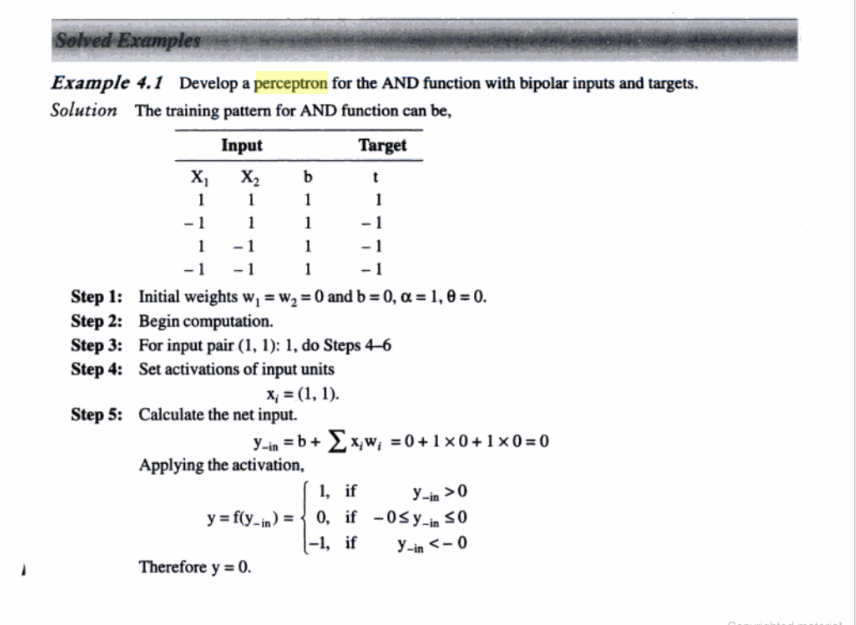
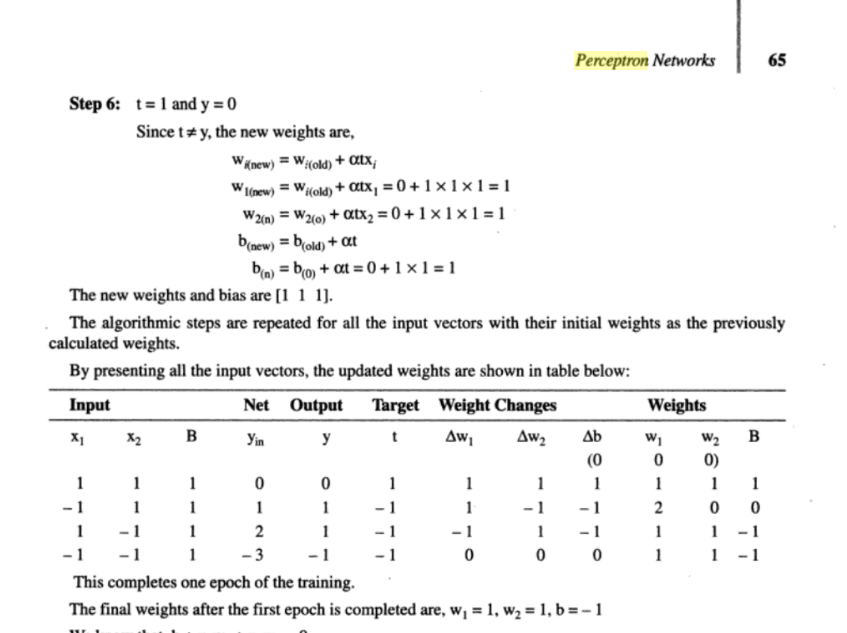
I am from Nepal and instead of asking us code, these are types of questions that are asked in our country examination system. IDK what's their purpose. But some of them are badly hard as there are not many examples about it in textbook(In Nepal we can't get the textbook reference that the syllabus is made upon, we can of course get international writers textbook but our syllabus and exam paper is based on Indian author textbooks and we don't get that here in Nepal) So I was studying about hopfield network and got badly confused. I have listed my confusions with annonations. It is not like I don't understand anything, I do understand the gist, but I am not very clear about each and every concepts. And I didn't even find proper resources to study this topics in reference to our exam in internet as well. https://imgur.com/a/bWzz011 Source-: https://www.youtube.com/watch?v=RqyqBKFk7HM&t=383s

Important Information
We have placed cookies on your device to help make this website better. You can adjust your cookie settings, otherwise we'll assume you're okay to continue.